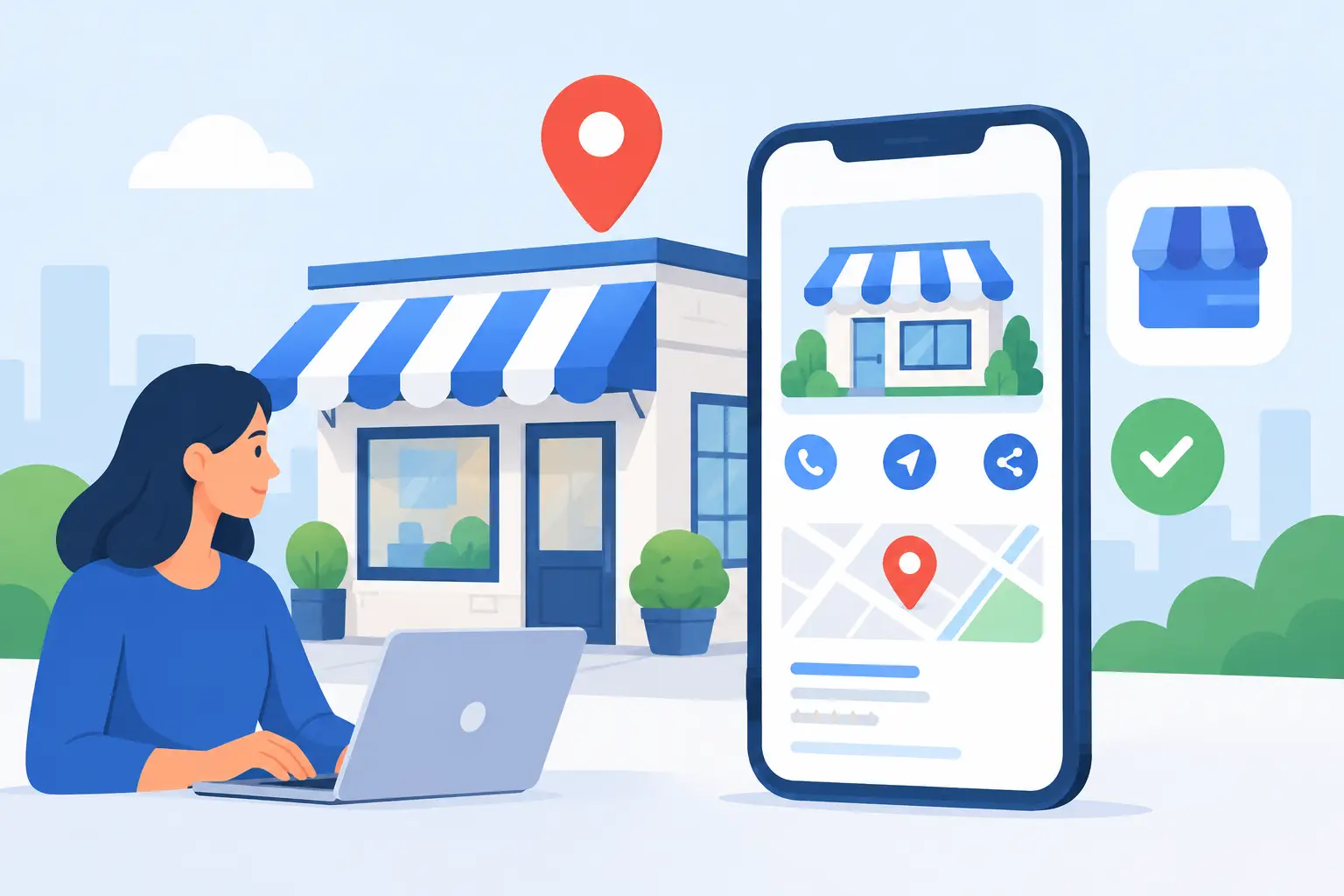


A customer who lives three miles away should not choose a competitor because that competitor showed up first on Google, had fresher reviews, or ran the offer they saw on Facebook. This trade area marketing guide is for local operators who want to own the neighborhoods, ZIP codes, and nearby towns that actually drive revenue.
Your trade area is not a vague circle around your address. It is the territory where people can realistically become customers, whether that means a family ordering pizza on a Friday night, a homeowner needing a roof estimate, or a shopper looking for a gift before the weekend. The goal is simple: become the obvious choice there – and stay top of mind long enough to earn repeat business.
Start With the Customers You Can Actually Win
Many small businesses make one expensive mistake: they market to everyone within a broad radius and call it local marketing. That approach spreads the budget thin and makes the message generic. A better plan starts with where your best customers live, work, travel, and search.
For a neighborhood restaurant, the primary trade area may be a two-to-five-mile drive, with a second zone around offices, schools, and apartment communities. For a home service company, the territory could cover several towns, but not every town deserves equal ad spend. Travel time, job value, crew capacity, local competition, and household demographics all affect the math.
Pull a list of recent customers and look for patterns in addresses, order history, job sizes, and repeat purchases. Ask a few plain questions: Which ZIP codes produce the highest-value jobs? Where do customers return most often? Which areas have demand but weak awareness of your business? Which locations cost too much to serve profitably?
You are looking for a primary zone where you should be hard to miss, plus secondary zones where there is room to grow. This is a business decision before it becomes a marketing decision.
Do Not Confuse Reach With Relevance
A campaign can reach 50,000 people and still fail if most of them are outside your practical service area. A pizzeria does not need statewide visibility. It needs hungry families, school staff, office managers, and event planners nearby who know exactly why they should order from that pizzeria instead of the place down the street.
The same rule applies to a contractor. Ranking for a broad service keyword may sound impressive, but it does not help much if the calls come from 45 minutes away, the jobs are too small, or the crew cannot take them. Strong trade area marketing attracts demand you can serve well and profitably.
Build a Trade Area Marketing Guide Around Search Intent
When someone searches “Italian restaurant near me,” “emergency plumber,” or “birthday party venue,” they are not researching a distant brand. They are trying to make a local decision. Your online presence must answer that decision quickly.
Start with your Google Business Profile. The business name, primary category, service areas, hours, phone number, menu or service details, photos, and review responses must be accurate. That is basic, but basics win local searches when competitors neglect them. Post real photos that show what customers receive: finished remodels, full dining rooms, signature dishes, team members, storefronts, before-and-after work, or packed events.
Your website needs dedicated pages that reflect the way people search. A roofing company serving three towns should not bury those towns in one paragraph on a general services page. A restaurant with catering, takeout, private parties, and online ordering should make each revenue path easy to find and easy to act on.
Do not manufacture dozens of thin city pages with the town name swapped out. Search engines and customers both recognize filler. Instead, create useful local pages when you have something real to say: neighborhoods served, common project types, delivery boundaries, local testimonials, service availability, or examples of work in that community.
Make the Next Step Obvious
Traffic is not the finish line. Every page and profile should make the next action clear: call, request an estimate, order online, reserve a table, book a party, or claim an offer. If a customer has to hunt for the phone number, check three different pages for service details, or wait days for a reply, your marketing is sending business to faster competitors.
For high-intent services, prioritize click-to-call buttons, short forms, fast response times, and clear service boundaries. For restaurants and retailers, make ordering, directions, hours, and current offers impossible to miss. The right conversion path depends on the business, but confusion never converts.
Use Paid Ads to Take Ground Faster
SEO builds durable local visibility, but it takes time. Targeted advertising lets you move faster when you are opening a location, filling a slow season, promoting a high-margin service, or challenging a competitor that has dominated a neighborhood for years.
Set geographic boundaries based on performance, not pride. You may be willing to serve a 15-mile radius, but ads may produce the best returns within six miles. Separate your strongest ZIP codes from test areas so you can see where calls, orders, and booked jobs come from. If one town generates leads but few sales, adjust the message, the offer, or the budget rather than continuing to guess.
A good local ad has one job. A family restaurant might promote a weeknight meal deal to nearby households. A home improvement company might offer a seasonal inspection to homeowners in a specific community. A retailer might push a limited-time event to people close enough to walk in. Broad “we are the best” ads are easy to ignore. Specific offers tied to a real local need give people a reason to act now.
Retargeting also matters. Most visitors will not convert on their first visit. A customer who viewed your catering page, started an online order, or checked a service estimate page has already shown interest. A smart follow-up ad can bring that local prospect back before they choose someone else.
Turn Reviews Into a Competitive Advantage
In a close trade area, reputation travels fast. A few recent, specific reviews can influence more buying decisions than a polished brand campaign. Customers want proof that you show up, do quality work, serve great food, keep promises, and handle problems like professionals.
Create a simple review request process right after a positive experience. For a contractor, that may be after the final walkthrough. For a restaurant, it may be through a follow-up text or email after an online order. For an entertainer or event business, ask while the excitement is fresh.
Do not ask for reviews once and forget about it. Consistency is the advantage. Respond to both praise and complaints with a human voice. Thank happy customers without copying and pasting the same line. When an issue appears, address it calmly, take responsibility where appropriate, and move the detailed resolution offline.
A business with 200 credible recent reviews has a major edge over one with 25 old reviews, even if both provide good service. Customers cannot see your intentions. They can see the evidence you collect.
Stay in Front of Customers After the First Sale
Winning the first transaction is costly. Earning the second, third, and tenth is where local businesses build momentum. Email and text marketing are especially effective because you are speaking to people who already know you.
Use customer data with purpose. A pizza shop can send a game-day special to customers who have ordered on weekends. A salon can remind clients when they are likely due for another appointment. A home service company can send seasonal maintenance offers to past customers before an urgent repair is needed. The message should feel timely, not constant.
Segmenting matters because not every customer should receive every promotion. A customer who booked a kitchen remodel does not need the same message as someone who requested a small repair. Relevance protects your reputation and improves response rates.
Community visibility works the same way. Sponsor the event, support the school team, partner with a nearby business, or participate in a local fundraiser when it fits your brand and audience. The value is not the logo on a banner by itself. It is the repeated association between your business and the community you want to serve.
Measure Revenue Signals, Not Vanity Metrics
Likes and impressions may be useful clues, but they are not the score. Track phone calls, direction requests, booked appointments, online orders, form leads, repeat purchase rates, review growth, and revenue by location or ZIP code whenever possible.
A campaign that brings fewer leads can still be the winner if those leads become better jobs. A restaurant offer that produces smaller ticket sizes may be worthwhile if it fills empty weekday capacity and turns new guests into regulars. Context matters. The right metric depends on your business model and your current constraint.
Review results every month. Look for weak areas in the customer journey, not just weak channels. If ads get clicks but no calls, the landing page or offer may be the problem. If calls are strong but bookings lag, the response process may need work. If reviews stall, your team may need a clearer request system.
The businesses that become famous in their trade area do not rely on one lucky campaign. They build a local machine: clear territory, visible search presence, targeted promotions, trusted reviews, and consistent follow-up. Pick the neighborhoods that matter most, show up with a stronger message than the competition, and give nearby customers a reason to choose you again.