
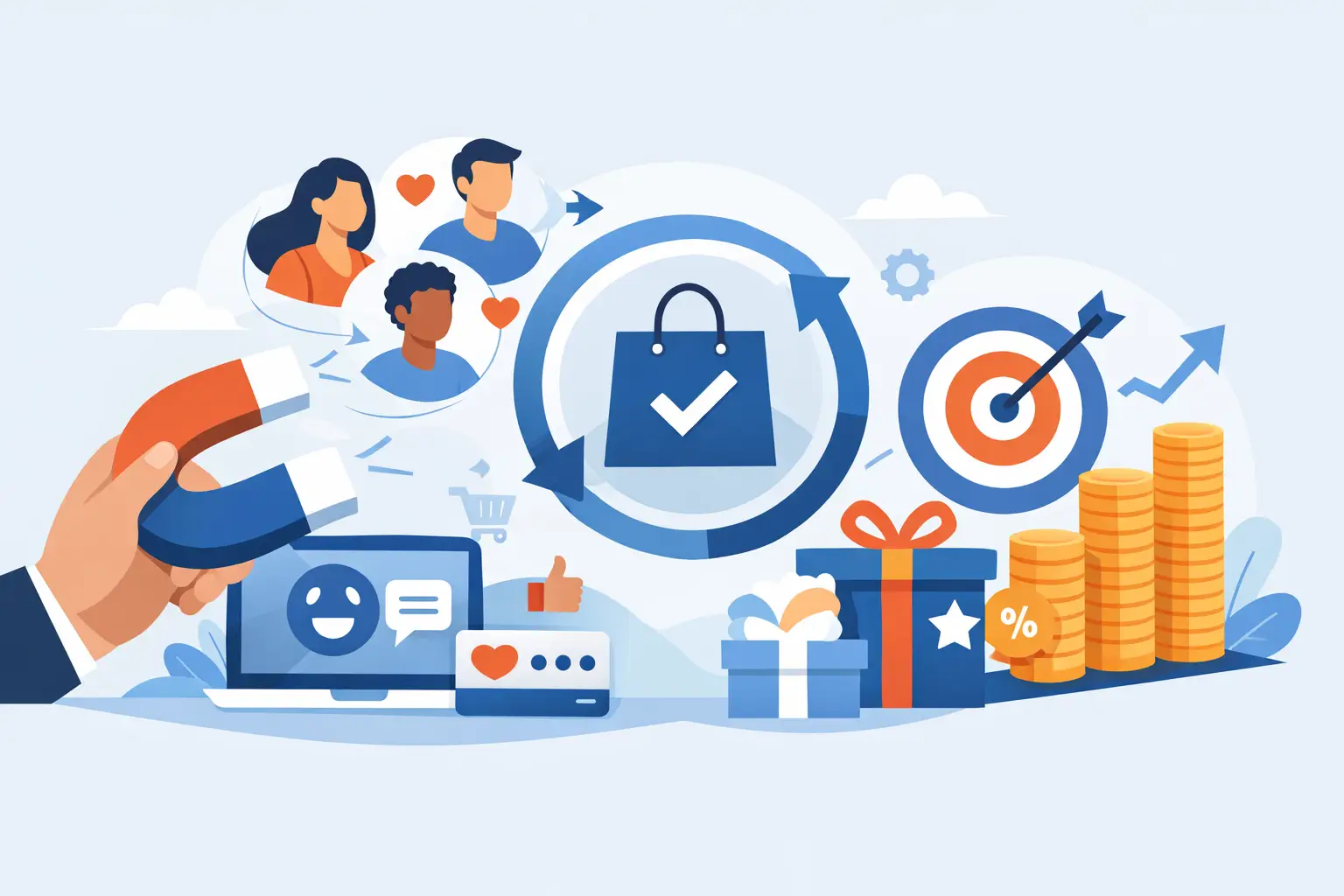
A customer who visits once is a transaction. A customer who comes back every month, brings friends, leaves reviews, and chooses you without checking competitors is a growth engine. The top customer retention strategies are not about chasing gimmicks or sending more discounts. They are about giving local customers a clear reason to remember you, trust you, and return.
For a restaurant, that could mean a better follow-up after an online order. For a home service company, it may mean staying in touch before a customer has another problem. For a retailer, it could be a VIP offer that makes regulars feel recognized. The right approach depends on your business, but the goal stays the same: become the obvious choice in your trade area.
Why Retention Beats Constant Customer Chasing
New customer acquisition matters. You need local SEO, paid ads, social media, reputation management, and a website that turns searches into calls, orders, or bookings. But if first-time customers disappear after one purchase, you are paying to refill a leaking bucket.
Retention improves the economics of every marketing dollar. A repeat customer already knows your business, has less friction before buying, and is more likely to spend more over time. They also create the kind of word-of-mouth visibility money cannot fully buy. When local people repeatedly see the same business recommended in neighborhood groups, reviews, and conversations, that business becomes familiar. Familiar often wins.
The mistake many owners make is treating retention as a loyalty program only. Points can help, but retention begins much earlier. It starts with the experience you deliver, the promises you keep, and how you communicate after the sale.
Top Customer Retention Strategies That Work Locally
Make the first visit worth repeating
Retention is usually decided during the first experience. A flashy offer may get someone through the door, but poor service, confusing ordering, slow response times, or an inconsistent product will make the promotion expensive instead of profitable.
Look at the full customer journey. Can a customer find your hours, service area, menu, pricing cues, and contact information quickly? Does an online order receive a clear confirmation? Is a new lead contacted while they are still motivated? Does the final experience match what your marketing promised?
For example, a pizzeria can earn repeat takeout business by making ordering simple, confirming pickup timing accurately, and ensuring the food arrives as expected. A contractor can earn future work by arriving when promised, explaining the job clearly, and leaving the homeowner confident they chose a professional. Marketing gets attention. Operational follow-through earns loyalty.
Build a customer list you actually use
If your business cannot communicate directly with past customers, you are relying on algorithms and expensive advertising to reach people who already know you. That is a costly position.
Collect customer information ethically and with clear permission through online orders, appointment scheduling, in-store signups, lead forms, Wi-Fi access, and loyalty enrollment. Then organize contacts by what they bought, where they live, how recently they visited, and how they prefer to hear from you.
A single generic blast to everyone is rarely the answer. A restaurant customer who ordered catering last December deserves a different message than someone who grabbed lunch two weeks ago. A roofing lead who requested an estimate but never booked needs a different follow-up than a customer whose job was completed last year.
Email and text marketing work best when they feel timely and useful. Think early access to a seasonal menu, a reminder to schedule maintenance before peak demand, or a neighborhood-specific special during a slower period. The message should give customers a reason to act now without training them to wait for discounts.
Use offers to reward behavior, not replace value
Discounting can create traffic, but constant discounts can weaken your margins and teach customers that your regular price is optional. The better play is to use offers with a job to do.
Offer a second-visit incentive to first-time buyers. Reward higher-margin purchases, off-peak visits, referrals, or bundled services. Give regular customers something exclusive, such as priority booking, a bonus item, early access, or a members-only event. These benefits feel more valuable than another generic 10% off coupon.
A local salon might offer returning clients priority access to holiday appointments. A neighborhood retailer might invite top customers to a private preview before a new collection drops. A restaurant can use a bounce-back offer that brings diners back on a historically slow weekday. Each offer should support a business goal, not just create a temporary spike.
Ask for feedback before a customer goes quiet
Most unhappy customers do not complain directly. They simply do not return. That silence can hide a service issue, a product inconsistency, or a frustrating digital experience that is costing repeat revenue.
Create simple moments to ask how things went. A short post-service text, email survey, or receipt-based request can identify problems while there is still time to fix them. Keep the question easy: “How was your experience?” Then make sure someone owns the response.
When feedback reveals an issue, respond like a local business that plans to be around for years. Thank the customer, acknowledge the concern, and offer a reasonable path forward. Do not copy and paste a defensive response. A fast, human recovery can turn a disappointed customer into a loyal one.
Treat reviews as a retention channel
Reviews are often viewed as an acquisition tool, and they are. But they also reinforce a current customer’s decision to keep choosing you. After someone has a good experience, seeing that others feel the same confidence makes your business easier to return to and recommend.
Ask happy customers for reviews at the right moment, when the experience is fresh. Do not pressure people or make the process complicated. Then respond to reviews consistently, especially detailed ones. A thoughtful reply signals that you notice your customers and take your reputation seriously.
For local operators, reputation is not a side project. It is proof that your business delivers. The stronger your review presence, the more likely a customer is to feel good about coming back and sending someone else your way.
Stay visible between purchases
Customers are busy. Even satisfied customers may forget to return if your business gives them no reason to think about it. That does not mean posting random content every day. It means maintaining useful, recognizable visibility where your customers already pay attention.
Share timely reasons to engage: new services, seasonal products, behind-the-scenes proof of quality, community involvement, limited availability, or customer success stories. A home improvement company might remind customers about preventative maintenance before weather changes. An entertainer may promote upcoming dates before weekends fill up. A retailer can highlight gift ideas before local events and holidays.
The strongest content makes the customer think, “I need that,” or “I know someone who does.” It should be specific to the needs and rhythms of your market, not generic filler built for vanity metrics.
Give regulars a reason to feel recognized
Recognition is powerful because it costs less than constant acquisition and creates a personal advantage competitors cannot easily copy. A familiar name, remembered preference, or quick thank-you can make a customer feel like more than a number.
You do not need a complicated enterprise loyalty platform to do this well. Start by identifying your best customers and creating a simple plan for them. Thank them after repeat purchases. Send a personal check-in after a major service. Invite them to special events or give them first notice when something new is available.
For businesses with frequent transactions, a loyalty program can make sense. Keep it simple enough for staff to explain in one sentence and for customers to understand without an app tutorial. If it creates friction at checkout, it will not build loyalty.
Measure Retention Like a Revenue Driver
You cannot improve what you do not track. Watch repeat purchase rate, time between visits, customer lifetime value, email and text engagement, review volume, and offer redemption. A service business should also track how many past customers return for another project, maintenance visit, or referral.
Do not judge retention only by open rates or likes. A campaign with modest engagement can be valuable if it brings high-value customers back. On the other hand, a heavily discounted promotion may produce plenty of redemptions while cutting profit. Revenue quality matters.
Review the numbers monthly and look for patterns. If customers return once but not twice, the second-visit experience or follow-up may need work. If a segment responds strongly to text but ignores email, adjust the channel. If repeat customers spend more when offered a bundle, build that into your regular marketing calendar.
Turn Familiarity Into Local Market Advantage
The businesses that become famous in their trade area are not always the biggest. They are the ones customers remember when a need appears, trust when money is on the line, and recommend without hesitation. That level of loyalty comes from consistent experiences and smart follow-up, not wishful thinking.
A Vital Need helps quality-driven local businesses turn that consistency into measurable repeat traffic, orders, bookings, and calls. Start by choosing one retention gap that is costing you customers right now, then fix it with a clear offer, better follow-up, or a stronger customer experience. Your next best customer may already know your name.