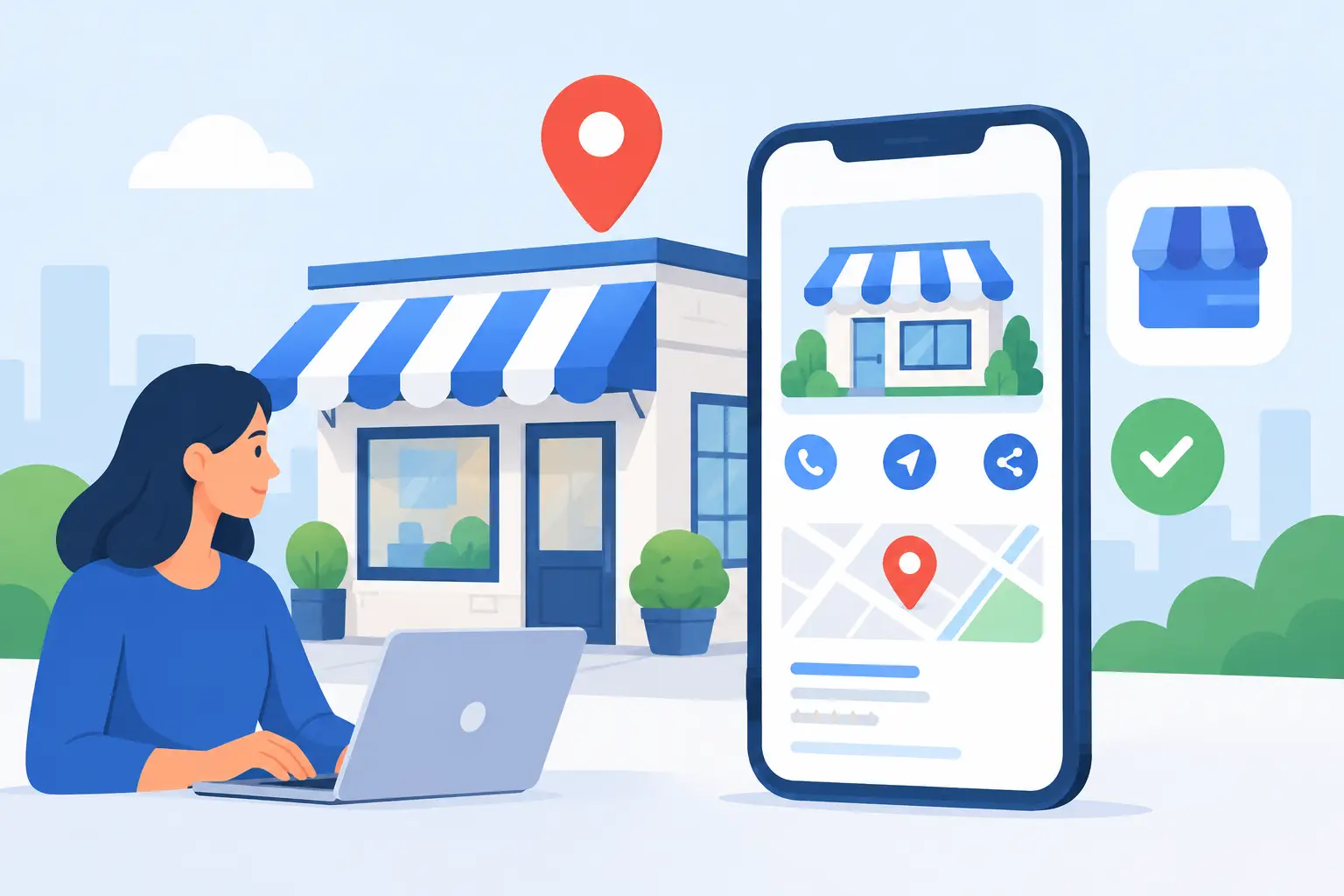


A missed call at 10:30 a.m. can be worth more than a clever social post. For a plumber, a salon, a restaurant taking catering orders, or a home improvement company, that call may be a customer ready to buy right now. This service business lead generation guide is built around one goal: put your business in front of nearby people when they are ready to take action, then make it easy for them to choose you.
Local lead generation is not about collecting random contact forms or chasing vanity metrics. It is about producing qualified calls, estimate requests, bookings, walk-ins, online orders, and repeat customers. The businesses that win their trade area build a system that turns attention into revenue.
Start With the Lead You Actually Want
Before spending a dollar on ads or posting another update, define a good lead. A kitchen remodeling company may want homeowners within 20 miles who have projects above a certain budget. A pizzeria may want families within its delivery zone, office managers ordering lunch, and past guests who have not ordered in 30 days. A live entertainment venue may want ticket buyers, private-event inquiries, and local followers who will share upcoming shows.
Those are different audiences with different buying timelines. Treating them the same wastes money.
A useful lead definition includes the service needed, location, urgency, likely value, and preferred way to contact you. When you know this, your website, ads, search strategy, and follow-up can all point toward the same outcome. You stop asking, “How do we get more leads?” and start asking, “How do we get more profitable jobs or customers?”
Win the Local Search Moment
When someone searches “emergency electrician near me,” “best pizza in town,” or “roof repair in [city],” they are not researching marketing theory. They are looking for a business they can trust quickly. That is where local SEO earns its place.
Your business profile, website service pages, reviews, photos, and local citations should all make the same case: you serve this area, you do this work well, and customers can contact you now. A weak local presence creates friction. An outdated phone number, unanswered review, confusing service list, or slow mobile website can send a ready-to-buy prospect directly to a competitor.
Build Pages Around Real Services and Real Places
One generic services page rarely does enough. A home service company should clearly explain its core services, the communities it serves, what makes its work different, and how to request help. A restaurant should make menus, ordering, catering, directions, and hours obvious on mobile.
Do not manufacture dozens of thin city pages with the same copy and a different town name. Instead, create useful location-focused content where it makes business sense. Mention local service availability, job types, neighborhoods, delivery areas, parking details, or community involvement. Specificity helps customers and supports visibility.
Reviews Are Lead Generation Assets
A strong review profile does more than make you look good. It reduces the risk a prospect feels before calling. Customers want proof that you show up, do quality work, communicate clearly, and stand behind the result.
Make review requests part of the customer experience, not an occasional scramble after a slow month. Ask shortly after a successful service, completed job, great meal, or resolved issue. Reply to reviews with professionalism and personality. Thank positive reviewers, and handle criticism calmly without turning the response into an argument.
A business with 150 recent, credible reviews and thoughtful responses is far easier to choose than one with 12 old reviews and silence.
Make Your Website Convert, Not Just Exist
Traffic has no value if visitors cannot figure out what to do next. Your homepage should answer three questions within seconds: What do you offer? Who do you serve? What should I do now?
For many local businesses, the best conversion action is a call. For others, it is booking online, requesting an estimate, ordering food, buying tickets, or sending a text. Put that action where customers expect it, especially on mobile. Do not make someone hunt through menus to find your phone number or booking link.
Trust signals belong near the conversion point. Include review highlights, credentials, service guarantees, before-and-after work, local experience, pricing guidance when appropriate, and clear expectations about response times. If you offer free estimates, same-day service, private-event packages, or online ordering, say so plainly.
There is a trade-off here. Long forms can filter out casual inquiries, which may help a high-ticket contractor. But for an urgent repair business, every extra form field can cost a job. Match the process to the customer’s urgency and the value of the lead.
Use Paid Ads to Create Immediate Demand
SEO compounds over time. Paid advertising can put you in front of high-intent prospects this week. The mistake is treating ads as a slot machine: launch a campaign, hope for calls, and keep spending without knowing what happened after the click.
Targeted search ads work especially well when the need is immediate and specific. Think water damage cleanup, HVAC repair, legal consultations, catering orders, pest control, or a last-minute party venue. Social ads can be powerful for promotions, events, restaurant specials, retargeting, and visually driven services where customers may not be searching yet.
The ad itself should match the landing page and the offer. If the ad promises “same-day garage door repair,” send visitors to a page about same-day repair with a tap-to-call option. Do not send them to a generic homepage and hope they navigate correctly.
Track calls, forms, bookings, directions, and completed sales where possible. A campaign that generates fewer leads but produces higher-value booked jobs is often the better investment. Cost per lead matters, but cost per acquired customer and revenue per campaign matter more.
Follow Up Before the Lead Goes Cold
Many local businesses do the hard part well: they get the inquiry. Then they lose it through slow response time, inconsistent follow-up, or an inbox nobody checks until the next day.
Speed wins. A prospect who submits an estimate request may contact three competitors in the next ten minutes. Reply quickly with a clear next step. If the request comes in after hours, an automated text or email can confirm receipt, set expectations, and keep your business in the running until a team member responds.
Use a simple process for unanswered calls, web forms, quote requests, and abandoned orders. The message should be helpful, not desperate. For example: “Hi, this is Mike from ABC Heating. We received your request for AC service. We have availability tomorrow morning or afternoon. Which works better?”
For restaurants and retailers, customer follow-up also means retention. A well-timed text offer, birthday promotion, loyalty message, or reminder about a popular seasonal item can bring customers back without paying to acquire them again.
Measure What Moves the Business
Do not let a marketing report bury you in clicks, impressions, and vague engagement. Those numbers can provide context, but local operators need to know what marketing produced.
Review the numbers that connect to revenue: qualified calls, booked appointments, estimate requests, online orders, catering inquiries, foot traffic actions, conversion rate, close rate, average sale, repeat purchase rate, and customer acquisition cost. Then compare performance by channel.
If local search drives steady, high-quality calls, keep building it. If an ad campaign produces cheap form fills but no booked work, adjust the targeting, offer, landing page, or qualification process. If review requests are increasing calls but response time is poor, fix operations before increasing spend.
This is where a disciplined partner earns its value. A Vital Need helps quality-driven local businesses turn scattered marketing activity into a practical growth engine built for their trade area.
Put the System to Work
The strongest service businesses do not rely on one lead source. They show up when local customers search, prove their reputation, make contact easy, follow up fast, and stay visible after the first sale. That combination makes a business harder to ignore and easier to choose.
Pick the biggest leak in your current process this month. Maybe it is weak reviews, a website that does not generate calls, slow response times, or ads without tracking. Fix that leak, measure the result, and then move to the next one. Momentum is built one profitable improvement at a time.