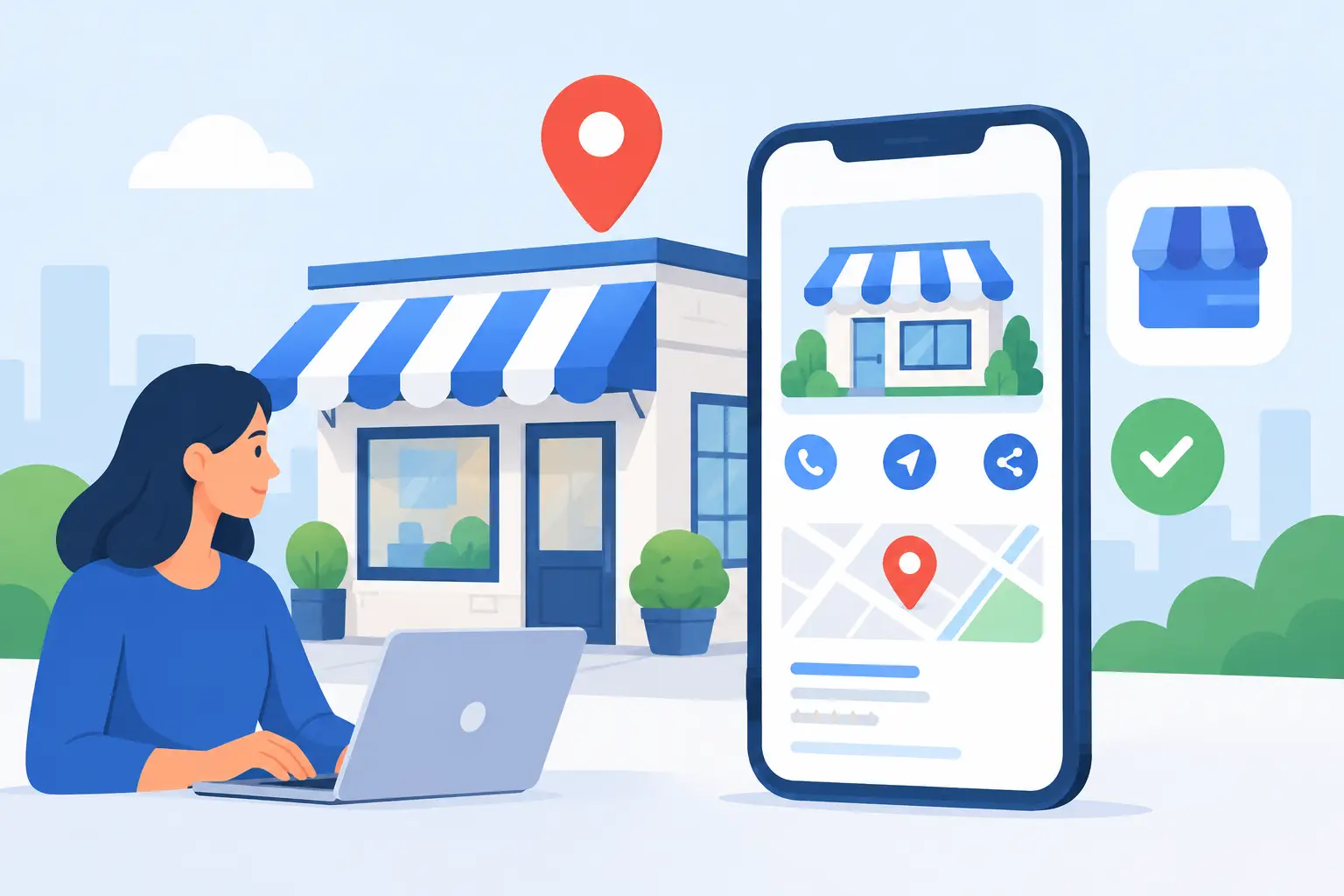


When the Friday dinner rush has holes, the service calendar is too light, or a competitor keeps appearing above you on Google, broad brand awareness is not the answer. Local marketing trends are moving toward a simpler standard: be the easiest quality business to find, trust, contact, and choose in your trade area.
For a pizzeria, that may mean winning more pickup orders before a customer opens a delivery app. For a contractor, it may mean turning a high-intent map search into a booked estimate. For a retailer, it may mean giving nearby shoppers a reason to stop in this weekend instead of ordering from a national brand.
The businesses pulling ahead are not chasing every shiny platform. They are connecting local visibility with a fast path to action and a reason for customers to come back. Here is where the market is moving and how to put those shifts to work.
Local Marketing Trends Are Becoming More Intent-Driven
The biggest change is not a new social network or a new ad format. It is the expectation that local businesses answer a customer need immediately. People search when they are hungry, their water heater fails, they need a gift, or they are deciding where to spend Saturday night. They want hours, prices, photos, availability, directions, and proof that the business delivers.
That makes your local search presence a revenue asset, not a directory listing. Your Google Business Profile needs accurate categories, service areas, holiday hours, current photos, products or services, and a clear next step. A restaurant should make ordering, reservations, and menu access obvious. A home service company should make calling or requesting an estimate effortless.
The trade-off is that more customer journeys now end without a website visit. A prospect may call directly from a map result or choose a business based on reviews and photos. That can feel frustrating if you only measure website sessions. Do not mistake fewer clicks for less opportunity. Measure calls, direction requests, quote requests, online orders, and booked appointments alongside traffic.
Reviews Have Become Part of the Sales Process
A strong star rating is no longer enough. Customers read recent reviews to determine whether your business is still consistent. They look for specifics: Was the food hot? Did the crew arrive on time? Did someone resolve a problem? Is the staff friendly? Are the prices fair?
The trend is toward review systems, not occasional review requests. Ask after a successful purchase, completed job, or great customer interaction, when the experience is fresh. Give staff a simple process they can follow without making it awkward. Then respond to reviews with speed and substance.
A thoughtful response to a negative review can protect a sale that would otherwise go to a competitor. Do not use canned corporate language or argue in public. Acknowledge the issue, show that you take it seriously, and move the resolution offline when appropriate. Future customers are watching how you handle the moment, not just counting stars.
Local Content Must Prove Proximity and Expertise
Generic content has little power in a competitive trade area. Customers and search engines need evidence that you serve the places, needs, and occasions you claim to serve.
A roofer can publish useful pages around storm damage, roof replacement options, and the communities it actually covers. A restaurant can build momentum around catering for local offices, game-day packages, family meals, and nearby events. An entertainment venue can spotlight upcoming shows, private-event options, and neighborhood partnerships.
This does not mean stuffing city names into every sentence. Thin location pages are easy to spot and rarely persuade anyone. The better approach is to create genuinely useful local information, supported by real project photos, staff knowledge, customer questions, local testimonials, and current offers. Specificity creates confidence.
The Customer List Is Getting More Valuable
Social reach can disappear with an algorithm change. Paid media gets more expensive when competitors enter the auction. Your email and text list gives you a direct line to people who already know your business, which is why retention is one of the most profitable local marketing trends to act on now.
A restaurant can use text messages for a limited-time weekday offer, then measure redemptions and repeat orders. A salon can send appointment reminders and rebooking prompts. A home service company can follow a completed project with maintenance tips, seasonal service offers, and referral incentives.
The key is relevance. Do not blast every customer with every message. Segment where possible by location, purchase history, service type, or customer status. Someone who ordered pizza last month may respond to a family bundle. A customer who installed HVAC equipment may need a tune-up reminder, not a generic discount.
Frequency matters, too. Text is powerful because it is immediate, but that also makes it easy to overuse. Send messages with a clear value: a useful reminder, a timely offer, early access, or information that helps the customer make a decision. Respect earns repeat business.
Short-Form Video Is Replacing Polished Guesswork
Local buyers want to see the people, places, products, and results behind a business. Short videos make that possible without a national-brand production budget. A 20-second clip of a fresh pizza coming out of the oven, a technician explaining a common repair, or a shop owner showing new arrivals can do more than a polished stock image ever will.
The winning content is not necessarily viral. It is recognizable, timely, and credible to people nearby. Show before-and-after transformations. Introduce the crew. Answer common questions. Capture the energy of a busy event. Explain what makes your process different. Keep the camera close to real work and real customers, with permission.
Video also improves the rest of your marketing. It gives you material for social posts, local ads, profile updates, email campaigns, and website pages. One afternoon of smart content capture can support several weeks of promotion.
AI Search Raises the Bar for Clear Business Information
AI-powered search results are changing how customers research options, but local business owners should avoid panic and focus on fundamentals. These tools still depend on clear, consistent, credible information across your digital presence.
If your services are vague, your hours conflict, your reviews are stale, or your website does not clearly explain what you do and where you do it, you are harder to recommend. On the other hand, businesses with strong local proof have an advantage. Detailed service pages, frequently asked customer questions, current reviews, accurate business listings, and original photos all make your business easier to understand.
Do not publish content just because an AI tool can produce it quickly. Generic copy will not make you famous in your trade area. Use technology to speed up research, organization, and first drafts, then add the experience only your business has: the neighborhoods you serve, the problems you solve, the standards you keep, and the results customers can expect.
Paid Ads Are Shifting Toward Smarter Local Coverage
Targeted ads still work, especially when you need demand now. But the best local campaigns are tighter and more accountable than the old approach of boosting a post and hoping for attention.
Start with the geography that can realistically produce profitable customers. A restaurant may prioritize a delivery radius and nearby office clusters. A remodeling company may focus on higher-value ZIP codes. A multi-location business may create separate campaigns so each store gets the budget and message it needs.
Then match the ad to the buyer’s intent. Search ads work well when someone is actively looking for a service. Social ads can create demand for an event, offer, menu item, or seasonal promotion. Retargeting can bring back people who visited your site, viewed a menu, or started an inquiry without completing it.
The common mistake is sending paid traffic to a weak destination. If the landing page is slow, the offer is unclear, or the call button is hard to find, the budget leaks. Every campaign needs one obvious action and a way to track whether that action became revenue.
Which Local Marketing Trends Should You Prioritize?
Do not try to rebuild your entire marketing operation at once. Start where the gap is closest to the sale. If you are invisible on maps, fix local search and reviews first. If you get attention but few inquiries, improve your website, offer, and follow-up. If customers buy once and disappear, build email and text retention before spending more to acquire strangers.
Use this simple monthly scorecard to keep marketing tied to business outcomes:
- Map visibility for your most valuable searches
- Calls, forms, orders, bookings, and direction requests
- Review volume, rating, recency, and response time
- Cost per qualified lead or completed sale from advertising
- Repeat purchase and rebooking rates from email and text campaigns
Numbers tell you where to apply pressure. A surge in impressions means little if calls are flat. A large social following is not a win if nobody orders, books, or visits. Local marketing should create movement you can feel on the floor, in the schedule, and in the bank account.
The businesses that dominate locally will not be the loudest everywhere. They will be unmistakable to the right customers nearby, at the exact moment those customers are ready to choose. Make that choice easy, prove you are worth it, and keep giving people a reason to return.