
A restaurant website has one job: turn hungry local searchers into paying guests. The best restaurant website features do not win points for looking trendy. They make it easy for someone to choose your restaurant, order now, reserve a table, find your location, and come back again.
For an independent restaurant or growing pizzeria, that matters more than ever. Your website is the one marketing asset you control. Third-party delivery platforms can be useful, but they charge fees, own much of the customer relationship, and put competitors one swipe away. Your site should bring traffic through your own door and keep more of every sale in your pocket.
11 Best Restaurant Website Features That Produce Revenue
1. A clear path to order, reserve, or call
The most valuable button on your website should never be hard to find. Put “Order Online,” “Reserve a Table,” or “Call Now” prominently at the top of every page, especially on mobile. A guest should not need to scroll past a giant photo, read your origin story, or hunt through a menu to take action.
The right primary action depends on your business model. A fast-casual restaurant may prioritize online ordering. A full-service dining room may lead with reservations. A neighborhood pizza shop may need both ordering and click-to-call. Pick the action that produces the highest-value customer behavior, then make it impossible to miss.
2. A mobile-first menu that is easy to read
Customers often visit restaurant websites while parked outside, walking downtown, or deciding what to order from the couch. A PDF menu that requires pinching, zooming, and waiting to load sends those customers elsewhere.
Build your menu as a real web page with clear categories, prices, descriptions, dietary notes, and appetizing photos where they help sell. It should work beautifully on a phone. Search engines can also better understand a text-based menu, which gives you a stronger chance of appearing when nearby customers search for dishes you serve.
If prices change frequently, make menu updates simple for your team. An outdated price or unavailable item creates frustration before a customer has even placed an order.
3. Online ordering that protects your margins
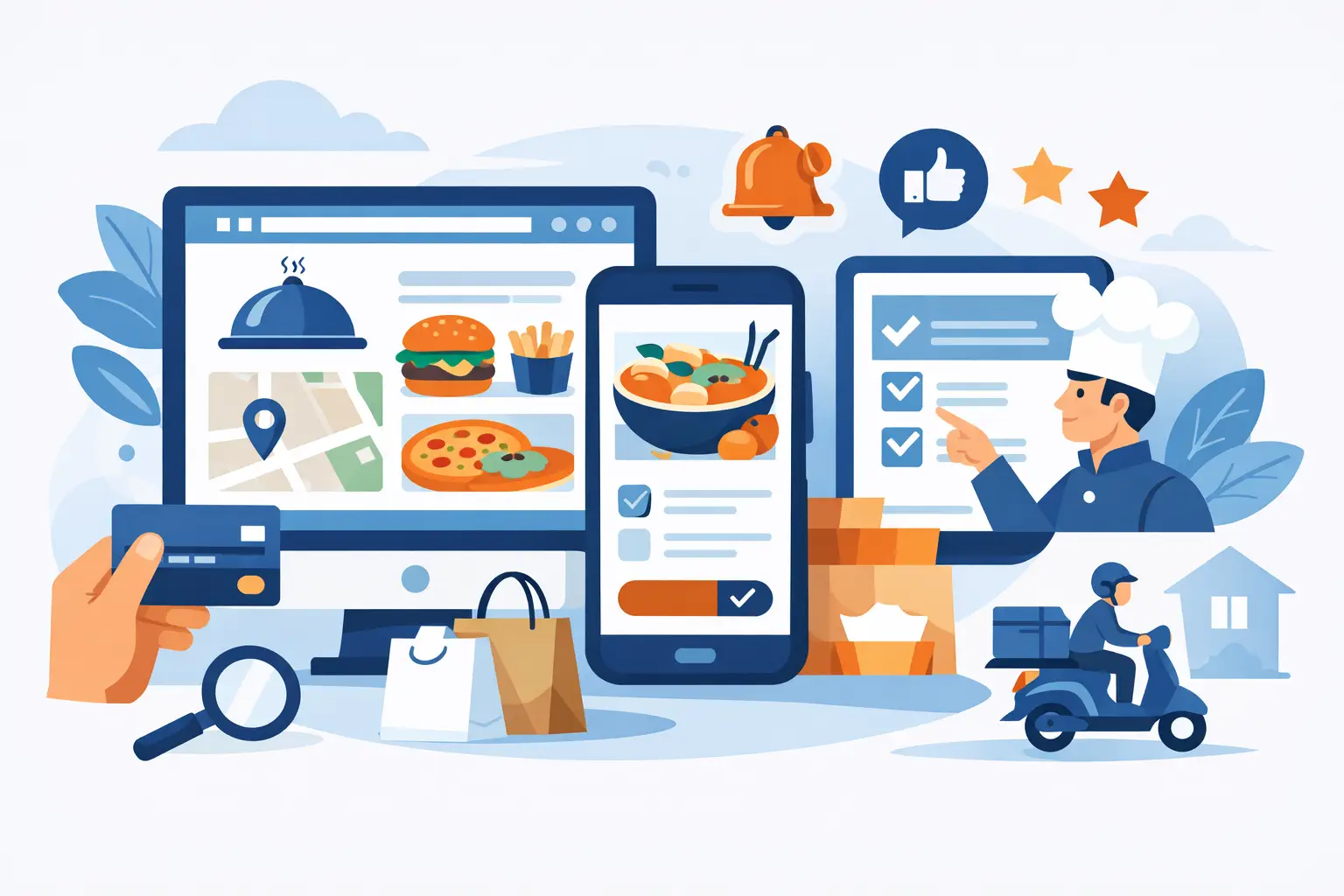
Online ordering is not just a convenience feature. It is a direct revenue channel. Your website should give customers a simple route to pickup, delivery where available, catering, and scheduled orders without making them leave your brand experience.
There is a trade-off here. Third-party marketplaces can put your restaurant in front of new diners, but their commissions can take a serious bite out of the ticket. Your website should actively give existing customers a reason to order direct. Promote pickup specials, loyalty rewards, or direct-order-only offers when the economics make sense.
4. Location, hours, and parking details in plain sight
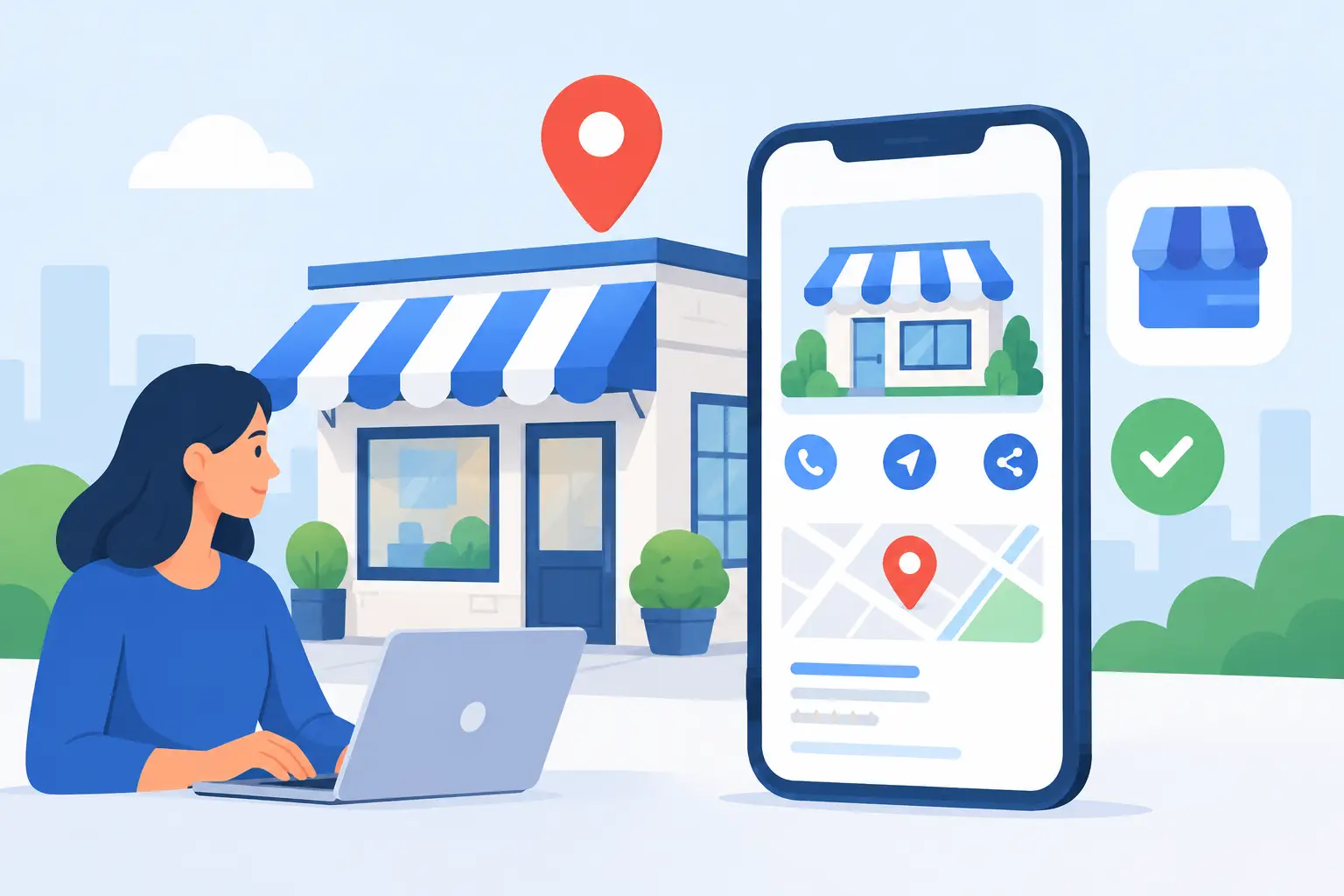
A surprising number of restaurant sites make basic information difficult to find. Do not make people guess whether you are open, which entrance to use, or where to park. Display your address, current hours, phone number, and location details in the header or footer of every page.
For restaurants with more than one location, each location needs its own dedicated page. Include that location’s hours, menu if it differs, ordering options, phone number, parking information, and neighborhood-specific details. This is essential for local search visibility and far more useful for guests.
5. Fast pages that load before hunger turns into impatience
A beautiful site is not a good site if it takes six seconds to load. Large uncompressed images, unnecessary animations, and overloaded page builders can cost you orders, reservations, and Google visibility.
Use professional food photography, but optimize it for the web. Keep the homepage focused. A restaurant visitor needs to make a decision, not watch a digital slideshow. Speed is especially critical on mobile networks, where many local searches happen.
6. Real photography that makes the food the hero
Stock photos of smiling diners and generic salads do not build appetite or trust. Show your actual dishes, dining room, bar, patio, staff, and personality. A great photo of your signature pizza, brisket plate, sushi roll, or cocktail gives a potential guest a reason to stop scrolling.
Photography should support conversion, not slow the website down or clutter every page. Lead with your strongest visuals. For a restaurant known for atmosphere, feature the room. For a takeout-driven operation, put the food front and center. The visual choice should match what customers are buying from you.
7. Reservations and waitlist tools that reduce friction
For full-service restaurants, reservation capability can be the difference between a booked Friday and a missed opportunity. The process should be easy to find and take only a few steps. If you use a waitlist, explain how it works and set realistic expectations.
Do not hide reservations behind a vague “Contact Us” form. Guests looking for a table tonight want an answer now. If you do not take reservations, say so clearly and provide useful alternatives, such as waitlist access, peak-hour guidance, or a call button for large parties.
8. Reviews and social proof in the right places
People trust other diners. Well-placed review highlights, local press mentions, awards, and customer testimonials can reinforce the decision to visit. The key is credibility. Use genuine feedback and keep it current.
You do not need to turn every page into a wall of five-star quotes. One or two specific comments about your food, service, or atmosphere can be more persuasive than twenty generic compliments. Reputation management also extends beyond your website: your public review profiles need accurate hours, responses, and consistent brand information.
9. Catering and private-event pages built to generate leads
Catering and private events often carry higher ticket values than everyday dining, yet many restaurants bury them in a small footer link. Give these revenue streams their own pages with packages or starting points, group-size guidance, lead times, photos, and a short inquiry form.
Ask for the details your team needs to respond quickly: event date, guest count, location, budget range, and contact information. Do not make prospects write a novel in an open text box. The faster you can qualify and follow up, the more business you will close.
10. Email and text signup offers worth claiming
Your website should help you build an audience you can reach without paying for another ad click. Offer a clear reason to join your email or text list, such as a birthday reward, first-order incentive, early access to specials, or VIP event notices.
Keep the ask proportionate. A casual guest may share an email address more readily than a mobile number, so explain what they will receive and how often. The goal is not to collect contacts for the sake of it. The goal is to create repeat visits with timely, relevant offers.
11. Local SEO signals that help nearby customers find you
The best-looking website cannot drive traffic if local customers never see it. Each page should clearly identify your restaurant name, city, neighborhood, cuisine, and key offerings in natural language. A page about “wood-fired pizza in downtown [city]” can help a nearby customer find you when they are ready to eat.
Add useful local context rather than stuffing city names everywhere. Mention nearby landmarks, catering areas, event spaces, or neighborhood details where they genuinely help guests. Keep your restaurant information consistent across your website and local business listings. Accuracy builds trust with both customers and search engines.
Start With the Features Closest to the Sale
You do not need to rebuild your entire website to improve performance. Start by checking three things on a phone: Can a customer immediately see what you serve? Can they order, reserve, or call in one tap? Can they confirm your location and hours without searching?
If any answer is no, you have a revenue leak. Fix that before adding flashy design features or chasing the latest marketing trend. A Vital Need helps quality local operators turn websites into traffic, orders, and repeat business because being easy to choose is how you become famous in your trade area.
Your next customer is already looking for somewhere to eat. Make sure your website gives them a fast, convincing reason to choose you.