
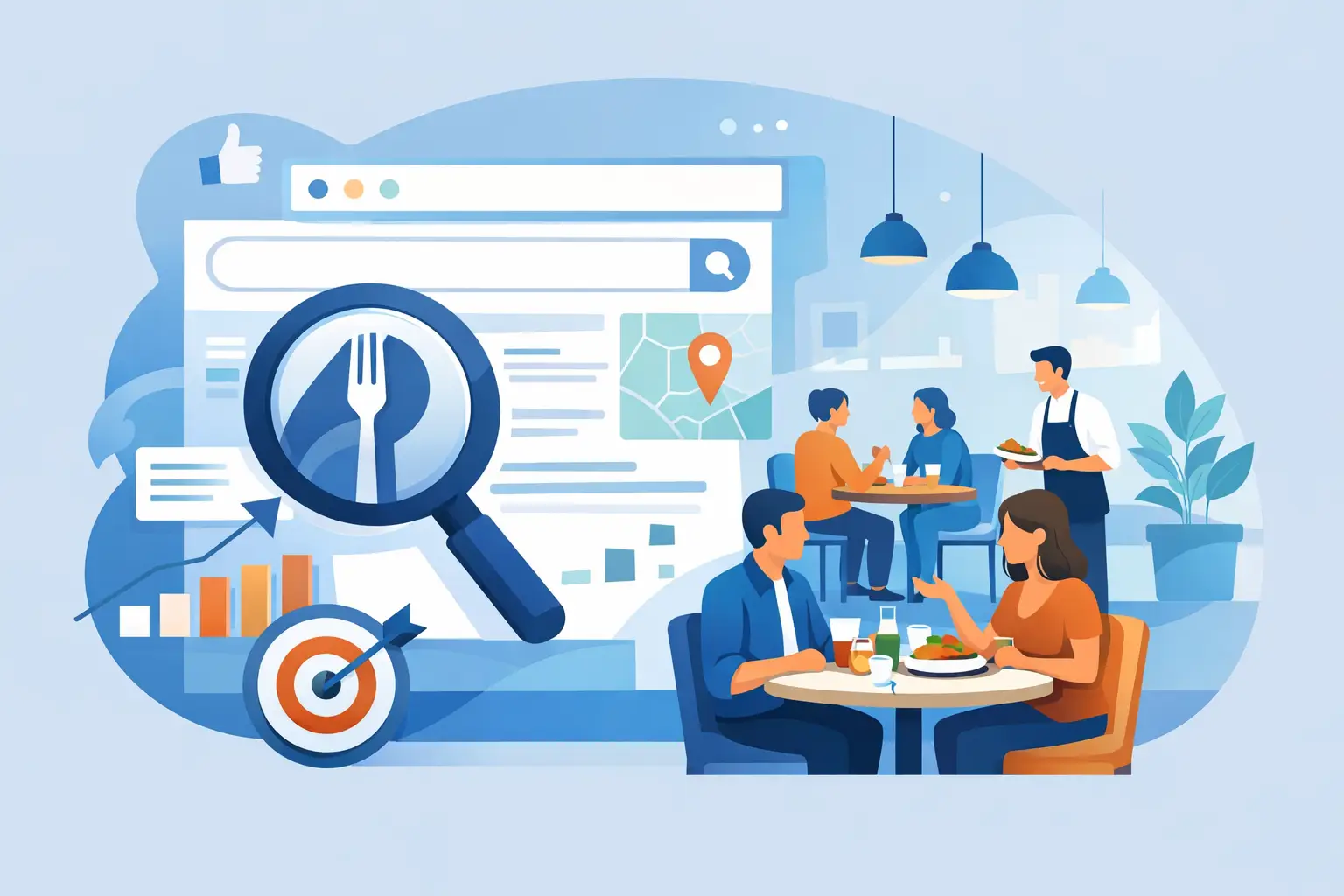
A hungry customer does not search for a restaurant to admire your branding. They search because they want pizza delivered, a table tonight, tacos near work, or a reliable place for Sunday brunch. SEO for restaurants puts your business in front of that customer at the exact moment a decision is being made.
For independent restaurants, pizzerias, and multi-location operators, search visibility is not a vanity metric. It is a source of calls, reservations, direction requests, online orders, and first-time visits that can turn into loyal regulars. The goal is simple: become the obvious choice in your trade area before the customer defaults to a national chain or the restaurant down the block.
Start With the Search Results That Drive Restaurant Revenue
Restaurant SEO starts locally. A diner searching “Italian food near me” or “best wings in [city]” is usually not looking for a long article. They are scanning the map, checking hours, reading recent reviews, looking at photos, and deciding whether your menu fits the moment.
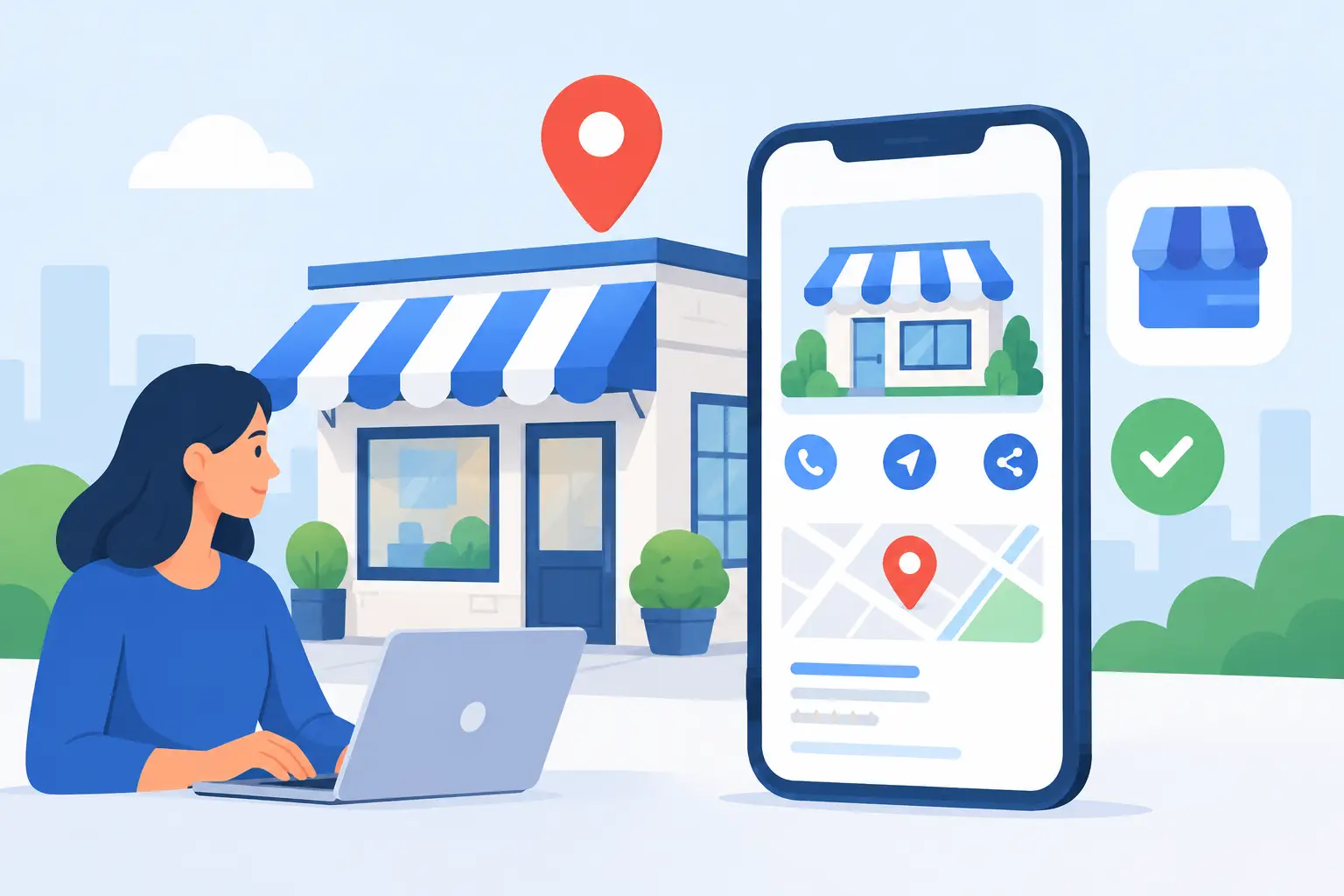
That means your Google Business Profile deserves the same attention you give your dining room during a Friday rush. Your name, address, phone number, website, hours, service options, reservation details, ordering options, and categories must be accurate. A wrong closing time or broken order link does more than create a bad impression. It sends a ready-to-buy customer somewhere else.
Choose categories that reflect what you actually sell and how people search. A pizzeria should not rely only on the broad “restaurant” label if pizza is the reason customers choose it. A restaurant with a serious catering operation should make that service visible. The details help search engines understand the business, but more importantly, they help customers act quickly.
Photos matter here because food is a visual sale. Use current, well-lit images of signature dishes, the exterior, the dining room, and the team. A glamorous photo from five years ago is less useful than an honest, appetizing picture that matches what arrives at the table today.
Build a Website That Makes Ordering Easy
Your website must do two jobs at once: give search engines clear information and remove friction for diners. Too many restaurant sites look polished but bury the menu, hide the location, or make online ordering feel like a scavenger hunt.
Put the essentials where people expect them: menu, hours, address, phone number, order button, reservation option, catering information, and parking details. On mobile, those actions should be visible without forcing the visitor to pinch, zoom, or hunt through a complicated navigation menu.
A menu should be more than a downloadable image or PDF. PDFs can be useful for diners who want to print a catering package, but they are not the strongest foundation for search visibility. Create a text-based menu page with clear sections, dish names, descriptions, prices when appropriate, and dietary details. This gives search engines relevant content and gives customers confidence before they order.
If your restaurant has more than one location, each location needs its own dedicated page. Do not make diners sort through a generic contact page to figure out which address serves their neighborhood. Each page should have the correct local information, location-specific hours, directions, menu differences, and original copy about that restaurant.
There is a trade-off with online ordering platforms. Third-party apps can create demand and offer convenience, but they can also take substantial fees and keep the customer relationship at arm’s length. Promote direct ordering prominently on your own website when it makes economic sense. It protects margins and makes it easier to build repeat business through email and text marketing.
Create Pages for What You Want to Sell
A restaurant that wants more catering orders needs a catering page. A restaurant trying to win private parties needs a private events page. A pizzeria known for late-night delivery needs a page that clearly explains its delivery area and hours.
This is not about producing thin pages stuffed with city names. It is about matching your website to real customer needs. A strong catering page can answer guest-count questions, show package options, explain lead times, and make requesting a quote easy. That helps search performance because it is genuinely useful, and it helps sales because it reduces hesitation.
Use Local Content to Own Your Trade Area
The best local content gives people a reason to find you before they are standing outside with an empty stomach. Seasonal menus, chef specials, holiday catering, game-day packages, neighborhood events, and local partnerships all create opportunities to be discovered.
For example, a family restaurant near a youth sports complex can publish a useful page about team meal packages or post-game group reservations. A downtown spot can feature pre-theater dining details. A pizza shop can promote school fundraising nights or office lunch packages. These are real local demand generators, not generic blog posts written for an algorithm.
Keep the content tied to revenue. If a page or promotion cannot reasonably lead to orders, bookings, leads, or stronger local awareness, it may not deserve priority. Busy operators do not need more content for content’s sake. They need assets that make the phone ring and the dining room fuller.
Reviews Are a Visibility and Conversion Engine
A restaurant with a strong rating, recent feedback, and thoughtful responses has an advantage before a customer ever visits the website. Reviews influence map visibility, but their bigger power is trust. Diners want proof that the food, service, cleanliness, and experience are consistently good.
Make review requests part of your operating rhythm. Train staff to ask at the right moment, such as after a guest compliments the meal or when a regular tells you they had a great experience. Include a simple review request in post-order communication for direct online orders. Do not pressure customers or offer incentives in exchange for positive reviews. Focus on making the ask easy and honest.
Respond to reviews, including the difficult ones. A defensive reply can cost more customers than the original complaint. A calm response that acknowledges the issue, explains the next step when appropriate, and invites an offline conversation shows potential diners that management pays attention.
Patterns in reviews also reveal operational opportunities. If guests repeatedly praise a specific dish, feature it more prominently. If several guests mention slow pickup, inaccurate orders, or confusing parking, fix the process. Reputation management is not just public relations. It is customer intelligence.
Measure What Produces Traffic, Orders, and Repeat Visits
Restaurant owners are often handed reports full of impressions, rankings, and traffic charts. Those numbers have value, but they are not the finish line. Track the actions that connect to revenue: calls, direction requests, reservation clicks, online-order clicks, catering inquiries, private-event leads, and coupon redemptions.
Look at which pages produce those actions. If your catering page gets visitors but no inquiries, the issue may be unclear packages, weak photos, missing pricing guidance, or a form that asks for too much information. If your location page draws traffic but fewer direction requests than expected, check whether hours, parking information, and mobile usability are getting in the way.
SEO also takes time. A new website will not outrank established competitors overnight, especially in a crowded dining market. But quick wins are common when a restaurant corrects its business profile, improves location pages, adds a usable menu, fixes technical errors, and earns a steady flow of fresh reviews. The right plan balances immediate conversion improvements with long-term authority.
Why SEO for Restaurants Needs Consistent Execution
One month of attention will not make a restaurant famous in its trade area. Search results change, competitors improve, menus shift, reviews arrive, and customers develop new habits. Consistency is what turns a decent local presence into a market advantage.
That does not mean chasing every trend. It means keeping your most important information current, publishing promotions people actually want, protecting your reputation, and making it effortless to order, reserve, or visit. A Vital Need helps quality-driven local businesses build that momentum with marketing tied to customer traffic and repeat sales.
Your next customer may be searching from a parking lot, an office break room, or their couch with three other tabs open. Give them a clear reason to choose you, an easy way to act, and an experience worth talking about after the meal.