
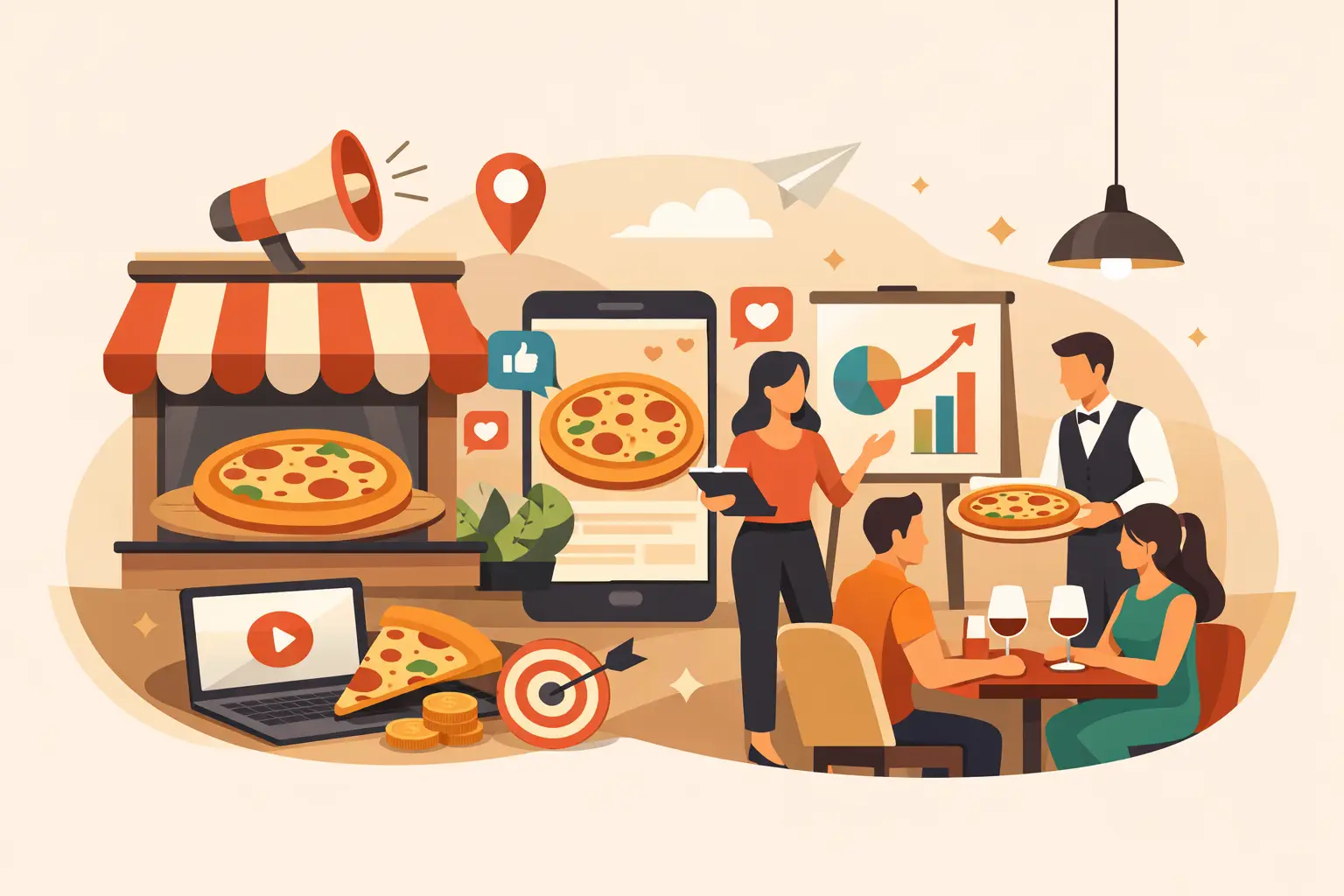
Friday night can make a pizzeria feel unstoppable. The real test is whether Tuesday at 4:30 p.m. is busy too. The best pizzeria marketing ideas do not chase random likes or discount every pie. They put your shop in front of nearby hungry customers, make ordering painless, and give first-time buyers a reason to come back.
For a local pizzeria, marketing has one job: make your business the obvious choice when someone in your trade area wants pizza. That means showing up in local search, earning trust before the first order, building a customer list you control, and creating promotions that protect your margins.
Start With the Local Search Moment
Most customers do not begin with a loyalty card. They begin with a search for “pizza near me,” a map listing, a delivery app, or a recommendation in a neighborhood Facebook group. If your pizzeria is hard to find, has outdated hours, or shows weak reviews next to a competitor with hundreds of recent five-star ratings, you are giving away orders before your kitchen gets the ticket.
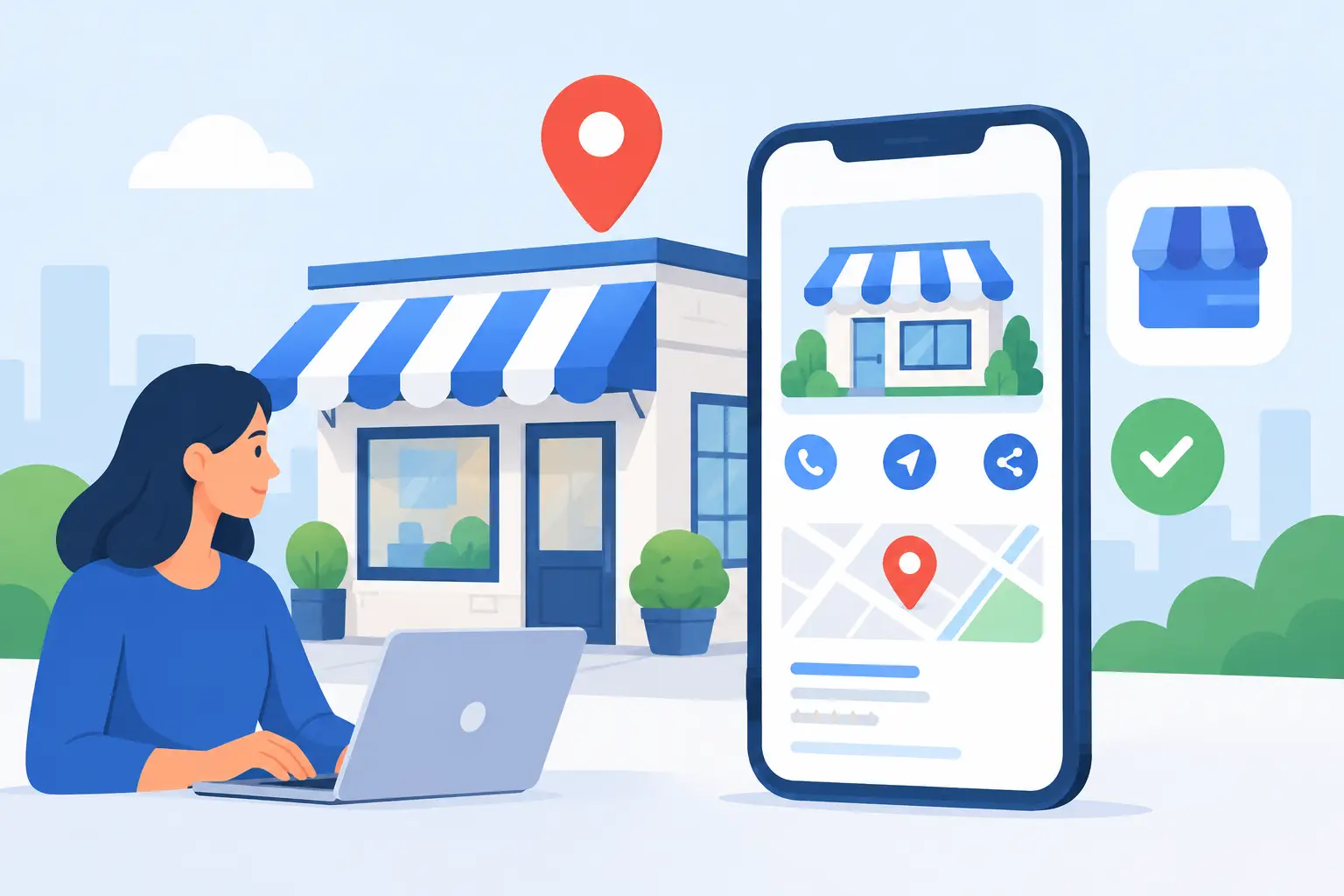
Claim and fully complete your Google Business Profile. Use accurate categories, current hours, a direct phone number, a working online ordering path, and high-quality photos of the food, dining room, storefront, and team. Post seasonal specials and events when they are truly relevant. A customer deciding between three nearby shops wants quick proof that your place is active, clean, and worth the trip.
Your website matters just as much. It should load quickly on a phone and make three actions obvious: view the menu, order online, and get directions. Do not bury the menu in a blurry PDF or force customers through five clicks to place an order. Every extra step creates an opportunity for a hungry customer to choose someone else.
Build Pages Around How Customers Actually Search
A single homepage cannot do all the work. Create useful, location-specific pages when they match your operation, such as catering, private parties, delivery areas, gluten-free options, late-night pizza, or lunch specials. If you serve multiple neighborhoods or operate more than one location, each location needs distinct information, not copied text with a city name swapped out.
Local SEO takes time, but it compounds. A paid ad disappears the moment you stop funding it. Strong local visibility can keep generating calls, directions, and online orders month after month.
Turn Reviews Into a Sales Engine
A five-star rating is not vanity. It is a conversion tool. Reviews tell a new customer whether your crust is worth the drive, whether delivery arrives hot, and whether your team fixes a mistake when one happens.
Ask for reviews at the right moment: after a smooth dine-in experience, in a post-order email, or through a brief text after a successful delivery. Keep the request simple and never offer rewards in exchange for a positive review. The goal is more honest feedback from real customers, consistently.
Reply to reviews with the same energy you bring to the counter. Thank positive reviewers specifically instead of pasting a generic response. For negative feedback, respond promptly, own the issue where appropriate, and invite the guest to continue the conversation privately. A thoughtful response will not erase a bad night, but it shows prospective customers that your business pays attention.
Pizzeria Marketing Ideas That Create Repeat Orders
New customer acquisition costs money. A strong customer retention plan turns that expense into a relationship. Your POS, online ordering platform, Wi-Fi sign-in, and loyalty program can all help build an email and text list, provided customers knowingly opt in.
Email is ideal for weekly specials, event announcements, catering reminders, and stories that build familiarity. Text marketing works best for timely offers: a slow Tuesday deal, a game-day bundle, or a limited batch of a popular specialty pie. Do not text every day. If every message feels like an emergency, customers will opt out.
Segment your offers when your data allows it. Send a lunch offer to customers who usually order at noon. Give families a bundle that includes a large pie, salad, and dessert. Send lapsed customers a genuine reason to return, such as a new menu item or a credit toward their next order. A blanket 20% discount may generate sales, but it can also train regulars to wait for one.
A loyalty program should be easy to understand and easy to redeem. Complicated point systems rarely create excitement. “Buy nine slices, get the tenth free” may work for a counter-service shop, while a family-focused operation may do better with rewards tied to complete orders. Test the structure against your average check and food cost before promoting it heavily.
Own Game Days, School Nights, and Local Events
Pizzerias have a natural advantage: pizza belongs at gatherings. The opportunity is to plan around the moments your community already cares about instead of inventing promotions from scratch.
Build a game-day package for local sports fans. Offer pre-order pickup windows for big events so customers can avoid the rush. Create a school-night family bundle that solves dinner quickly. Partner with youth leagues, school groups, apartment communities, breweries, and nearby offices when the audience and economics make sense.
Fundraisers can work especially well, but they need clear boundaries. Set a specific day, define the donation percentage, and give the organization ready-to-use graphics and messaging. More importantly, collect permission-based customer information at the event so the partnership creates future business instead of a one-night spike.
Catering deserves its own marketing push. Office managers, coaches, event planners, and parents organizing parties are not usually searching for a single slice. They need reliability, easy ordering, clear portions, and on-time delivery. Show catering packages prominently, explain lead times, and include photos that make group orders feel simple.
Use Social Media to Prove You Are Worth Ordering From
Social media will not rescue a weak menu or poor service. It can, however, make an already good pizzeria memorable in its local market. The content that tends to work is not polished corporate advertising. It is visible proof of appetite, personality, and community connection.
Show the dough stretch, the oven fire, the cheese pull, the team member who knows every regular’s order, and the sold-out special that returns next week. Feature customer photos with permission. Celebrate local teams and community milestones. A short video of a fresh pie coming out of the oven can do more for a dinner decision than a generic graphic announcing “Pizza Friday.”
Put paid social advertising behind offers that have a clear business purpose. Target people within your actual delivery or drive radius, not an entire metro area. Promote a family bundle to households, catering to office-heavy areas, or a grand opening offer around a new location. Measure orders, calls, coupon redemptions, and customer acquisition cost, not just impressions.
Protect Your Margin When You Promote
Not every promotion is good marketing. Deep discounts can fill the kitchen while leaving little profit after food, labor, packaging, and third-party delivery fees. Before launching an offer, know exactly what it costs you to fulfill.
Better promotions often increase average ticket value rather than cutting the price of the core product. Bundle appetizers, salads, desserts, or drinks. Offer a free add-on with a minimum purchase. Create a premium limited-time pie that gives customers a new reason to visit without lowering the perceived value of your everyday menu.
Third-party delivery platforms can expand reach, especially in a new market, but they should not be your only customer channel. Use inserts, loyalty invitations, and great service to encourage customers to order directly next time, while respecting platform rules. Direct ordering gives you more control over margins, customer data, and the experience from checkout to follow-up.
Measure What Makes the Register Ring
Marketing gets sharper when you connect activity to revenue. Track where online orders come from, which promotions produce repeat buyers, how many calls your map listing generates, and which neighborhoods deliver the best return. Watch average order value, frequency of purchase, catering leads, review volume, and cost per acquired customer.
You do not need a giant dashboard to make better decisions. Start with a simple monthly scorecard and compare it against the previous month and the same season last year. If a campaign produces attention but no profitable orders, change it or stop it. If a school-night bundle repeatedly lifts slow-day sales, make it part of the calendar.
A Vital Need helps quality-driven local businesses turn that kind of data into focused campaigns that make them famous in their trade area. The right plan is not about doing every marketing tactic at once. It is about owning the few customer moments that bring more hungry people through your door and keep them coming back.