
A customer searches “pizza near me,” “emergency plumber,” or “best catering in [town].” You have seconds to show up, look credible, and give them a reason to choose you. That is the real decision behind local SEO vs paid ads. One builds a lasting presence in your market. The other can put an offer in front of buyers right now.
For local business owners, this is not a debate about marketing jargon. It is about calls, orders, booked jobs, foot traffic, and whether your business becomes the obvious choice in your trade area. The right answer is rarely “only one.” But the wrong answer is spending money on either channel without a clear job for it to do.
Local SEO vs Paid Ads: The Core Difference
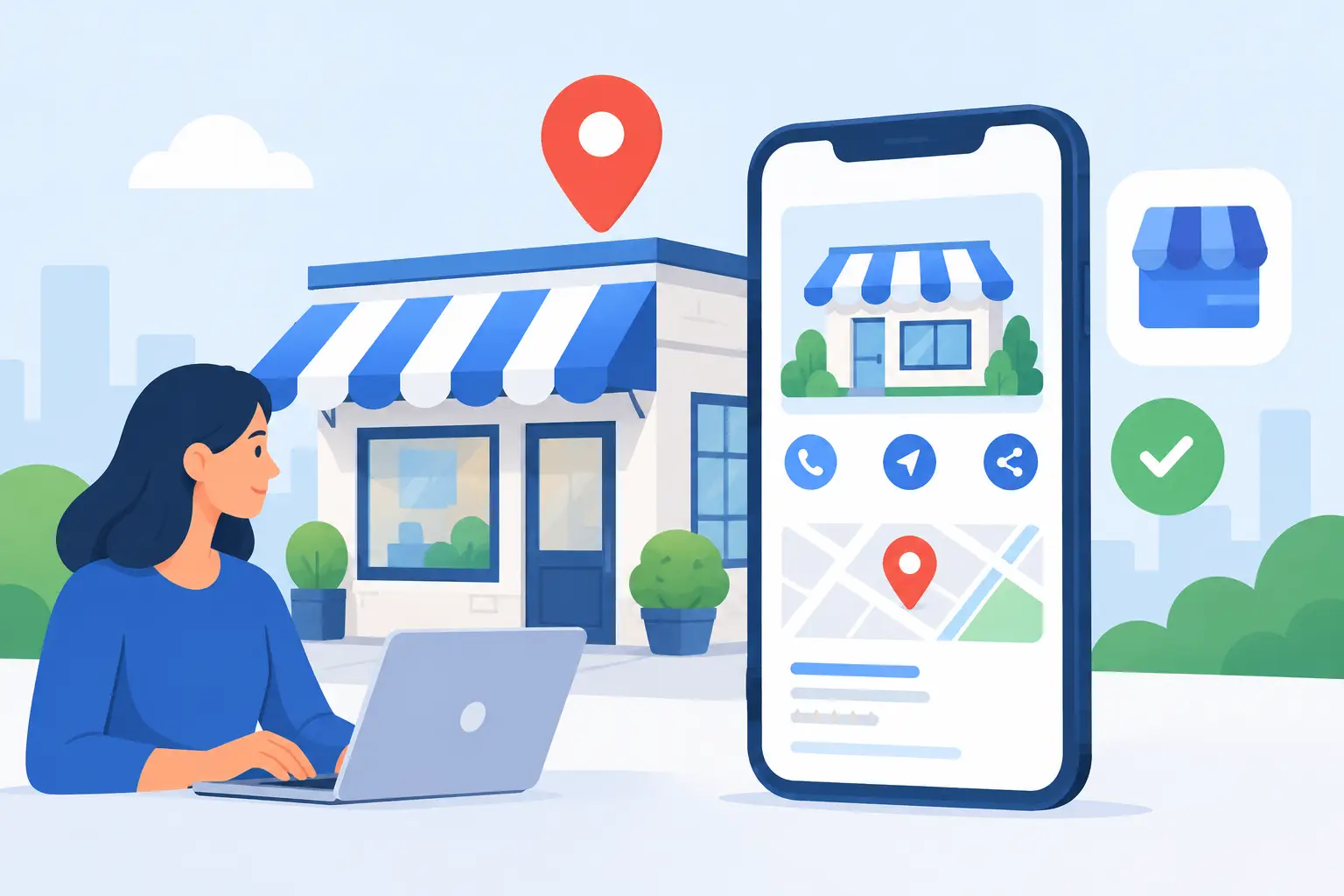
Local SEO helps your business appear in unpaid local search results, especially Google Maps and location-based searches. It is built through a well-managed Google Business Profile, accurate business information, strong reviews, relevant service pages, local content, and a website that makes it easy for customers to call, order, or request service.
Paid ads buy visibility. Search ads can place you at the top of results when someone searches for a service you offer. Social ads can reach nearby people with a promotion, event, new menu item, seasonal offer, or special incentive. You control the budget, audience, message, and timing.
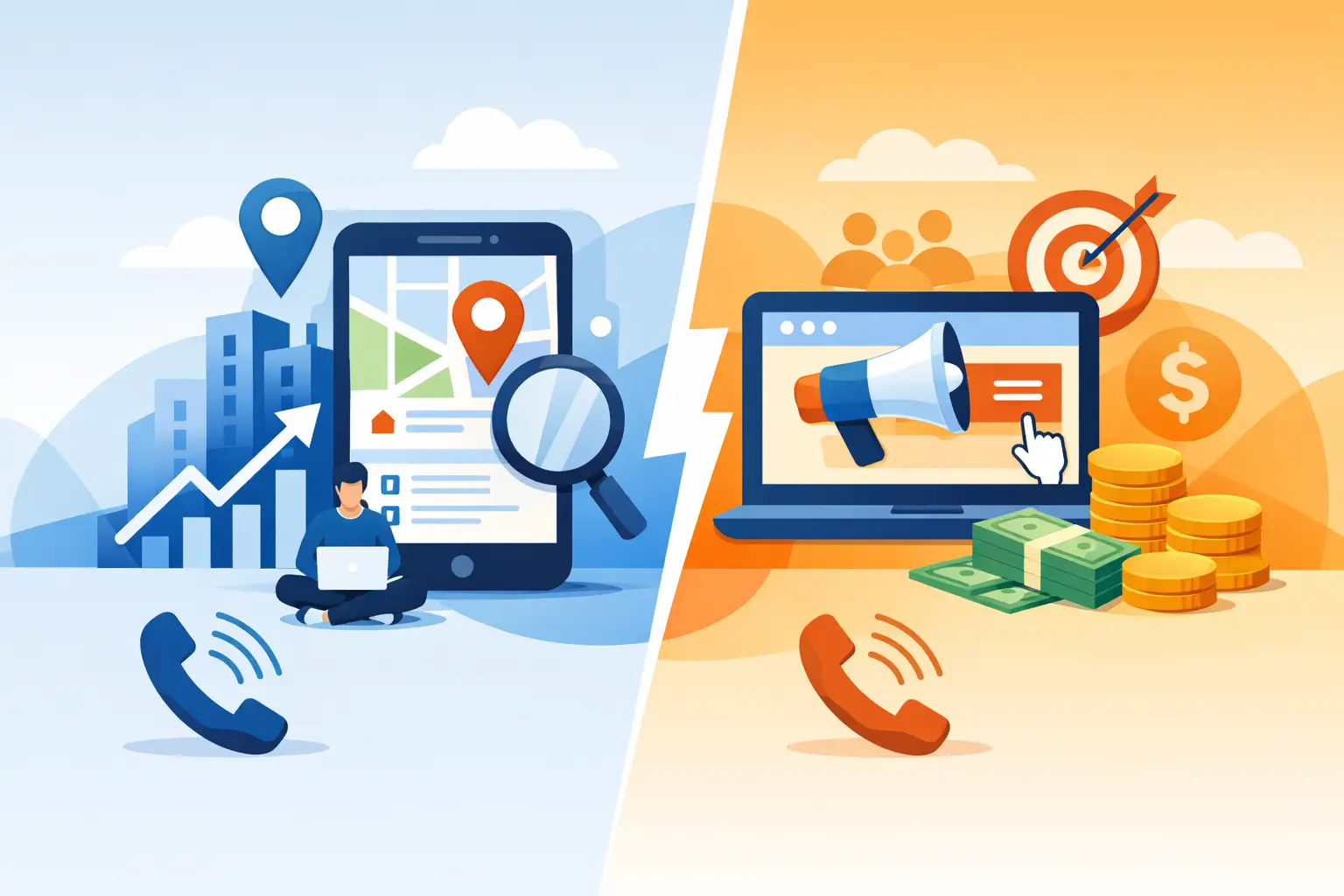
The difference is simple: paid ads rent attention, while local SEO earns and compounds visibility. Stop funding ads, and the traffic usually stops. Pause SEO after building real local authority, and you may still keep generating calls and discovery because your foundation remains in place.
That does not make local SEO automatically better. A new restaurant opening next month cannot wait six months for momentum. A home service company with open technician capacity may need leads this week. Paid ads can create immediate demand. Local SEO makes sure you are not forced to pay for every customer forever.
When Local SEO Is the Better Investment
Local SEO is built for businesses that depend on being found repeatedly by people nearby. Think of the pizzeria competing for “pizza delivery near me,” the roofing contractor serving three counties, or the retailer hoping to become a destination in its neighborhood.
It works especially well when customers already have intent. Someone searching “Italian restaurant open now” or “water heater repair near me” is not browsing casually. They are looking for an answer. If your listing has a strong rating, current photos, accurate hours, clear services, and recent customer reviews, you have a real chance to win that call.
The strongest benefit is credibility. Organic local placement carries a level of trust because customers see it as a recommendation from the search engine, supported by your reputation. A business with 200 recent reviews and a clear local presence often earns the click even when a competitor has paid to appear above it.
Local SEO also becomes more efficient over time. The early work can be demanding: fixing listings, improving site pages, collecting reviews, creating location-specific content, and tracking how customers find you. But each improvement strengthens the next one. A well-built location page can generate leads long after it is published. A steady review program can improve both rankings and conversion rates month after month.
There is a trade-off. SEO is not an instant switch. Highly competitive markets may require consistent work before rankings move meaningfully. If you need a packed dining room for a holiday weekend or bookings for a slow week, local SEO alone may not move fast enough.
When Paid Ads Make the Most Sense
Paid ads are built for speed, control, and specific opportunities. You can turn on a campaign for lunch specials on a quiet Tuesday, promote catering before graduation season, or generate calls for a high-margin service within a defined service area.
For a local operator, the real advantage is precision. A search campaign can target people looking for “same-day AC repair” in the exact cities you serve. A social campaign can reach households within a few miles of your store with an offer designed to bring them through the door. You are not waiting for demand to find you. You are putting a message in front of the right local audience.
Paid advertising is also valuable when you want to test a market. Maybe you are considering a new delivery zone, a weekday entertainment series, or a premium service offering. Ads can quickly show whether people respond, which message gets attention, and whether the numbers work before you make a larger commitment.
But speed can be expensive. In categories such as legal, home improvement, insurance, and emergency services, a single click can cost a meaningful amount. If the landing page is weak, the phone is not answered, or the offer is vague, your budget can disappear without producing revenue.
Ads are not a substitute for reputation, either. A customer who clicks an ad and finds a poorly maintained Google profile, outdated hours, or a stream of unanswered negative reviews may choose the next option. Paid traffic exposes every weakness in your customer journey faster.
Compare the Channels by the Outcome You Need
The best choice depends on what needs to happen next in your business, not on which tactic sounds more impressive.
If you need immediate calls for a seasonal service, a limited-time promotion, or a new location launch, paid search can get in the game quickly. If you need long-term visibility for your core services, local SEO should be a priority. If you want repeat customers, neither channel can carry the whole load by itself. You also need review management, email or text follow-up, and offers that bring past buyers back.
A restaurant, for example, might use local SEO to own searches for its cuisine, neighborhood, private parties, and takeout. Then it can use paid ads for game-day packages, holiday catering, weekday specials, or a grand opening. The SEO work captures people already hungry. The ads create a reason for nearby people to act now.
A plumber might build local SEO around every core service and service city, while using paid search only for high-value emergency calls during open hours. That approach protects the budget from low-value clicks and builds an asset that keeps producing leads beyond the campaign.
The Cost Question Is Bigger Than Ad Spend
Business owners often ask which is cheaper. The more useful question is which produces profitable customers at a cost you can sustain.
Paid ads have visible costs. You can see the daily budget, click cost, call volume, and lead count. That clarity is useful, but it can create false confidence. A cheap lead is not valuable if it never books, orders, or pays. Track the full path from click to sale, not just the first conversion.
Local SEO costs time, expertise, and consistent attention. It is not free simply because you do not pay per click. Yet its return can be powerful because strong rankings, better reviews, and an optimized local presence help across every channel. Even customers who hear about you from a friend or see an ad often search your name before contacting you.
Measure both channels against real business outcomes: qualified calls, booked estimates, online orders, store visits, average ticket size, repeat purchase rate, and revenue. A campaign that generates fewer leads but more profitable jobs is doing better work than one that produces a flood of low-intent inquiries.
Build the Foundation Before You Scale the Spend
Before increasing an ad budget, make sure your local conversion points are ready. Your Google Business Profile should be accurate and active. Your website should load quickly, work on a phone, and make your primary action obvious. Your team should answer calls promptly. Your reviews should reflect the quality of experience you promise.
Then give every campaign a clear destination. Do not pay to send people to a generic homepage when they searched for catering, brake repair, or bathroom remodeling. Send them to the page that answers their question, shows proof, and makes the next step easy.
This is where a focused local strategy wins. You do not need to chase every platform or run every kind of campaign. You need to dominate the searches, neighborhoods, and customer moments that matter most to your business.
A Vital Need helps quality-driven local operators build that kind of momentum: a stronger local presence, smarter promotions, and marketing tied to measurable traffic and revenue. The goal is not to be visible everywhere. It is to become famous where your best customers actually live, work, and buy.
Start with the channel that solves your most urgent growth problem, then build the other one into the plan. A paid campaign can fill tomorrow’s schedule. Local SEO can make sure next year’s customers know exactly who to call.