
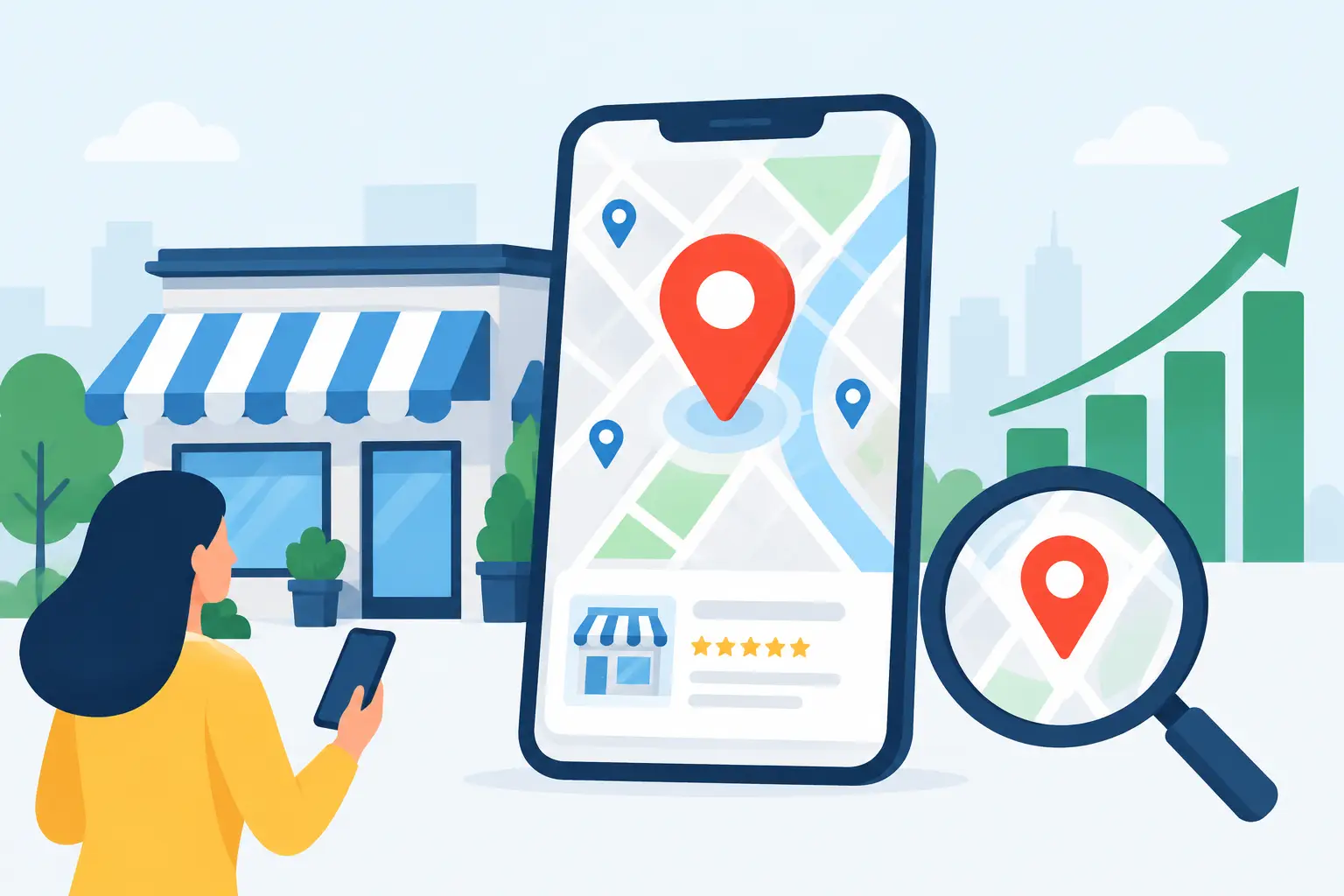
A customer searches “pizza near me,” “emergency plumber,” or “best patio dining in town” with a credit card in hand. If your business does not appear prominently, the sale often goes to a competitor before the customer ever sees what makes you better. Knowing how to improve local search visibility is not about collecting vanity rankings. It is about becoming the obvious choice when nearby people are ready to call, visit, book, or order.
Local visibility is earned through a combination of relevance, trust, proximity, and consistency. You cannot control where a searcher stands when they search. You can control whether Google and customers see clear, credible proof that your business is the right answer.
How to Improve Local Search Visibility Where It Counts
Start by defining the searches that actually produce revenue. A restaurant may need to show up for “family Italian restaurant,” “pizza delivery,” and “private party room.” A roofing company may care far more about “roof repair near me” and “storm damage roofer” than broad searches for “home improvement.” A local retailer might target product-specific searches plus its neighborhood and nearby towns.
This matters because local SEO is not a contest to rank for every possible phrase. It is a plan to own the high-intent searches in your trade area. Look at the language customers use in calls, messages, reviews, and sales conversations. Those phrases often reveal a more valuable opportunity than a generic keyword report.
Fix Your Google Business Profile First
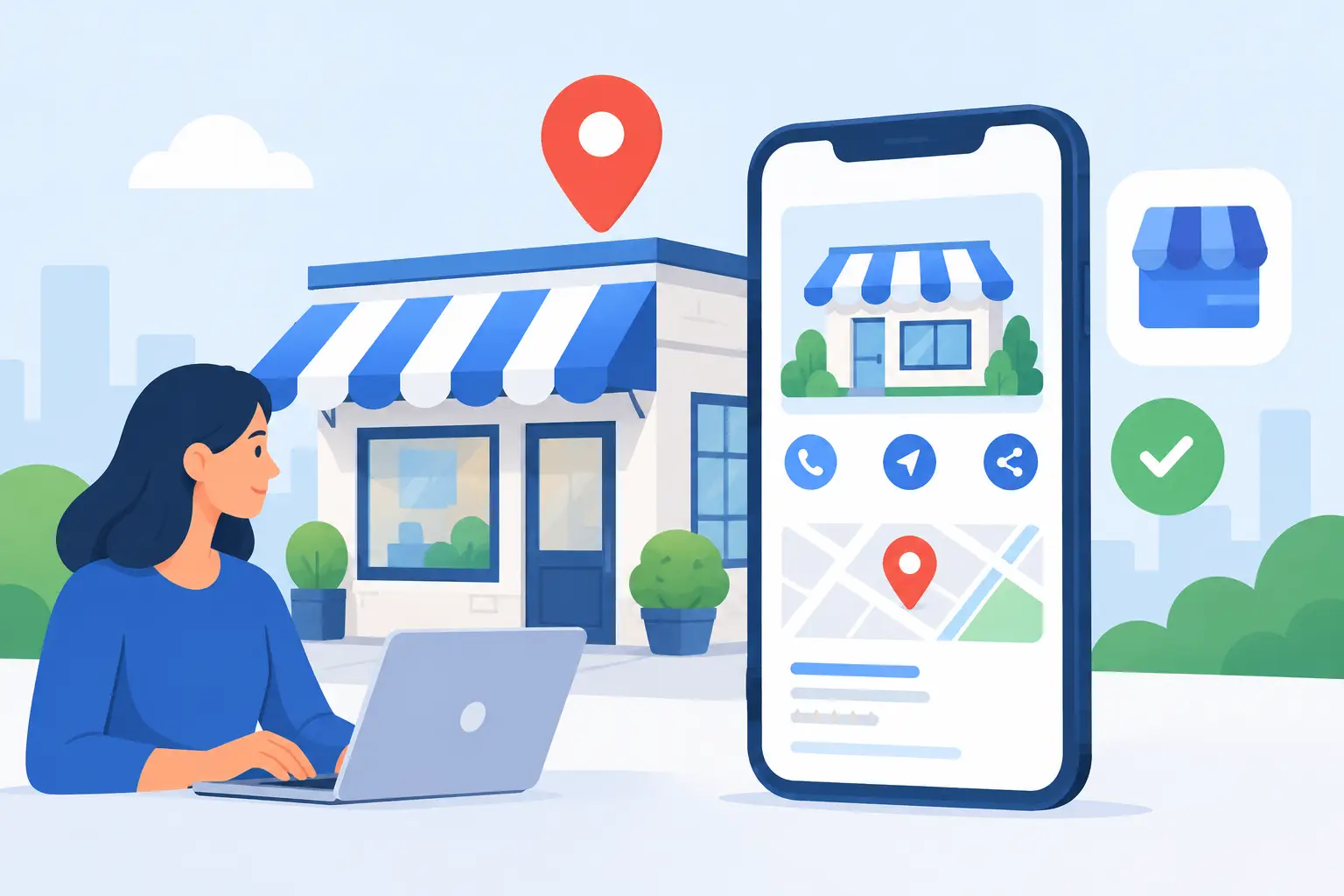
Your Google Business Profile is often the first impression a local customer gets. An incomplete or inaccurate profile tells both Google and potential customers that your business may not be active, dependable, or easy to work with.
Claim and verify the profile, then make every field work for you. Use the exact business name used in the real world. Choose the most accurate primary category, add relevant secondary categories, set correct hours, describe services clearly, and include an active local phone number and website. For restaurants, menus, ordering options, reservation details, and service areas should be current. For home service companies, spell out the services and towns you genuinely serve.
Photos matter more than many owners realize. Add recent images of your storefront, team, finished work, food, products, vehicles, and customer experience. A dark, outdated profile with three old photos will lose clicks to a competitor that looks busy, professional, and current.
Do not set it and forget it. Post updates when you have seasonal offers, events, new services, holiday hours, or special menu items. Respond to questions. Check the profile after any move, holiday schedule change, phone-system update, or service expansion. Small errors can quietly send paying customers elsewhere.
Build Location Pages That Help Customers Decide
A single generic website page rarely gives Google enough context to rank well across a competitive trade area. Your site should make it easy for a visitor to understand what you offer, where you offer it, why they should trust you, and what action to take next.
Create strong core service pages first. A plumber should not rely on one page that says “plumbing services.” Separate, useful pages for drain cleaning, water heater repair, leak detection, and emergency service give search engines and customers clearer answers. A restaurant can build pages around catering, private events, delivery, takeout, and signature menu categories when those services are real priorities.
Then create location-focused pages only where they add genuine value. A page for a nearby city should include specific service information, local proof, relevant project examples or testimonials, and clear contact details. Do not copy the same page 20 times and swap city names. Thin location pages are a shortcut that tends to create weak results.
Every important page should load quickly on a phone and make conversion easy. Put the phone number, order button, booking option, or request form where customers can use it without hunting. Search visibility that creates traffic but not calls or orders is only half a win.
Make Your Business Easy to Trust Online
Google wants confidence that your business exists, serves the area claimed, and delivers a solid customer experience. Customers want the same thing. Your job is to make the proof visible.
Keep your business name, address, phone number, hours, and website consistent across major directories, social profiles, maps, industry listings, and local organizations. An old phone number on a listing or conflicting suite number may look minor, but it can create confusion for customers and weaken your local signals.
Reputation is the bigger lever. A steady flow of authentic, recent reviews can improve click-through rates and give searchers the confidence to choose you. Ask for reviews as part of the customer experience, not as an awkward afterthought. A restaurant can request feedback after a successful catering order. A contractor can ask once the work is complete and the customer has seen the result. A retailer can make the request at the moment a regular customer expresses satisfaction.
Avoid buying reviews, rewarding only positive feedback, or using scripted language that sounds fake. Instead, make the request simple and respond to every review with care. Thank happy customers specifically. For negative reviews, stay calm, acknowledge the issue, and move the resolution offline when appropriate. A thoughtful response does not erase a bad experience, but it shows future customers that you take ownership.
Publish Proof, Not Filler
Local businesses often believe they need endless blog posts to rank. What they need is useful, credible content that supports buying decisions and proves local expertise.
Show completed jobs, before-and-after work, event setups, team expertise, seasonal recommendations, frequently asked customer questions, and local community involvement. A pizzeria can publish a page about catering large school events or office lunches. A landscaper can explain how local soil, weather, or permitting affects a project. An entertainer can feature venue-ready packages and real event photos.
The point is not to stuff town names into paragraphs. The point is to give customers a reason to believe you understand their need and can deliver. That content also gives you material for social posts, email campaigns, and review responses, creating a stronger local marketing system instead of isolated tactics.
Earn Local Authority Beyond Your Own Website
Your profile and website are the foundation, but the strongest local businesses are also visible in the places their communities already trust. Think local chambers, neighborhood publications, school sponsorships, event partnerships, supplier relationships, industry associations, and local news coverage.
A link or mention from a respected local organization can help search performance, but the business value goes beyond SEO. It introduces you to people who may never have searched for you directly. Sponsor the youth team if it fits your market. Participate in a community event if you can show up well. Partner with nearby businesses when the audience overlap makes sense. Choose activity that builds reputation and referral potential, not just a logo on a page.
For multi-location operators, each location needs its own accurate identity. Do not funnel every city into one generic listing or reuse the same location copy across the site. Give each store, restaurant, or service office the attention required to compete in its immediate market.
Measure the Actions That Pay the Bills
Rankings are useful diagnostic information, but they are not the scoreboard. Track calls, direction requests, online orders, booking requests, form leads, coupon redemptions, and revenue from local campaigns. Ask new customers how they found you, especially when they call or walk in.
Review performance by service, location, and channel. If a page ranks well but produces no inquiries, the offer or call to action may be weak. If your profile gets plenty of views but few calls, your photos, reviews, categories, or competitive position may need work. If you receive calls for jobs you do not want, refine service messaging so your visibility attracts the right customers.
Local search takes consistency, but it should not feel mysterious. Get the fundamentals right, publish evidence that you are active and trusted, and keep every customer path easy. The goal is bigger than being found: make your business the familiar name people recommend when someone asks, “Who should I call?”