
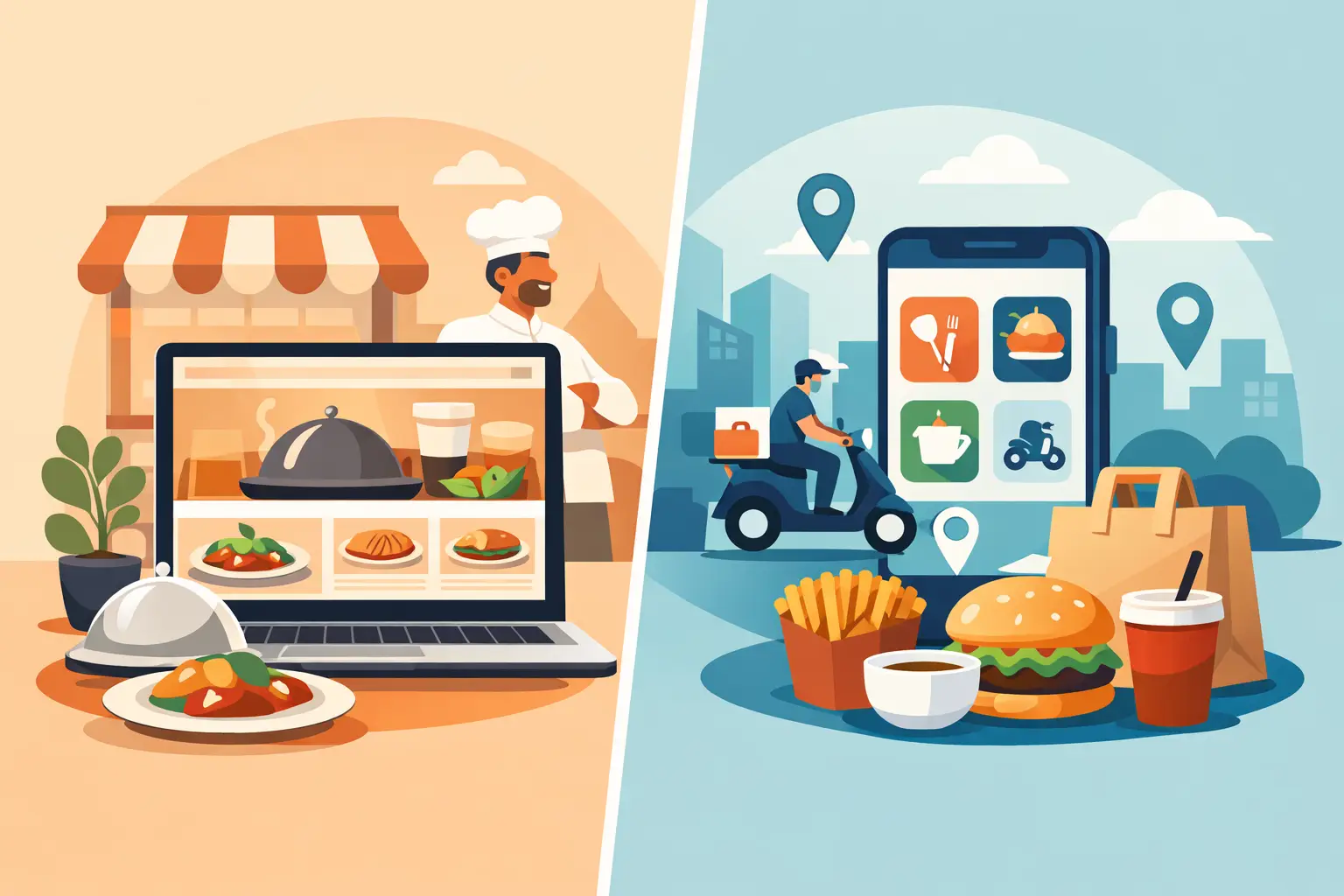
A $42 delivery order can look like a win until the app commission, promotion fee, and payment processing come out. That is the real issue behind restaurant website versus marketplace apps. This is not a technology preference. It is a decision about who owns the customer relationship, who controls the profit, and whether your next online order builds your restaurant or someone else’s platform.
Marketplace apps can put a restaurant in front of people who have never heard of it. That reach has value, especially for a new location, a slow Tuesday, or a restaurant entering a competitive trade area. But if every order stays inside the marketplace, you are paying rent on customers you could be serving directly.
The strongest local restaurants do not treat this as an either-or fight. They use marketplace apps strategically, then build a restaurant website that turns first-time buyers into repeat direct customers.
Restaurant Website Versus Marketplace Apps: The Real Difference
Marketplace apps are built to help consumers compare options. Your restaurant appears beside dozens of competitors, often sorted by delivery time, ratings, discounts, and paid placement. The customer may choose you today, but the app still owns the search behavior, the ordering experience, and much of the customer data.
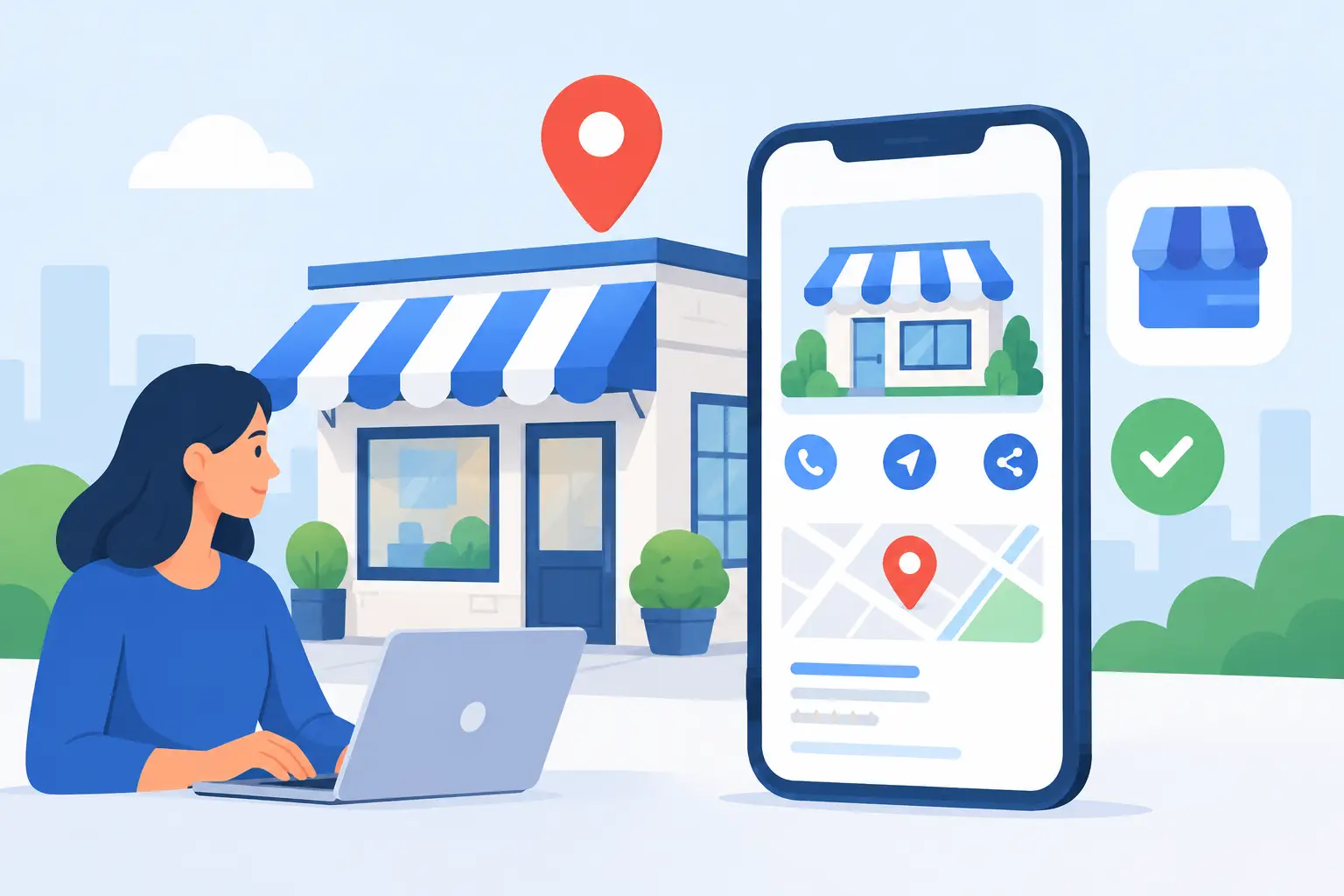
Your website has a different job. It gives your restaurant a home base that reflects your food, your story, your menu, and your local reputation. More importantly, it creates a direct path from a Google search, social post, text message, email campaign, or repeat customer to an order placed on your terms.
That distinction matters when margins are tight. A marketplace order may carry fees that reduce profitability before the food ever leaves the kitchen. Direct online ordering usually comes with lower technology and payment costs, leaving more room for the restaurant to invest in quality ingredients, labor, local advertising, or customer loyalty.
A direct ordering website also lets you present the menu the way you want. You can feature family meals, profitable add-ons, catering packages, limited-time specials, gift cards, and house-made favorites without competing for attention against a banner for another restaurant.
What Marketplace Apps Do Well
It would be a mistake to dismiss delivery marketplaces outright. They solve a real discovery problem. A hungry customer opens an app, searches for pizza or Thai food, and may find your restaurant for the first time. For operators with limited brand recognition, that exposure can create incremental sales.
Apps also remove some operational friction. They provide delivery infrastructure, payment processing, customer support tools, and a familiar ordering experience. For a restaurant that cannot staff its own drivers or does not yet have a reliable ordering system, that can be useful.
The catch is that marketplace sales are not always truly incremental. Some customers who would have ordered directly may choose the app because it is convenient, because they have a subscription, or because the app offered a discount. In that case, the restaurant pays a significant fee to serve a customer it may have already earned.
Marketplace platforms can also pressure operators into discounting. When nearby competitors run promotions, restaurants may feel forced to follow just to stay visible. Sales volume can rise while profit per order falls. Busy does not automatically mean healthy.
Why Your Restaurant Website Should Be the Conversion Center
A restaurant website is not just an online brochure with a menu PDF. It should be a sales tool built around local intent. When someone searches for “best pizza near me,” “catering for office lunch,” or your restaurant’s name, the website needs to make the next move easy: view the menu, get directions, reserve a table, call, or order directly.
That means fast mobile pages, accurate hours, clear location details, appealing food photography, and a direct online ordering button that is impossible to miss. It also means keeping the menu current. Nothing creates frustration faster than a customer ordering based on outdated prices, unavailable items, or incorrect hours.
The advantage compounds over time. A customer who orders through your own site can be invited to join your email or text list, provided they opt in. You can promote a game-day package, a Friday special, a new lunch menu, or a slower-day offer without paying a marketplace to reach people who already like your food.
This is where owned customer relationships become a growth asset. A restaurant with 5,000 local contacts and a reason to message them has more control over demand than a restaurant that waits for an app algorithm to send traffic.
The Best Strategy Is Usually a Hybrid
For most independent restaurants, the practical answer is not to disappear from marketplace apps. It is to stop letting them become the entire digital strategy.
Use marketplaces for discovery, delivery coverage, and selective promotions. Then make your website the preferred destination for branded search, repeat ordering, catering, reservations, and loyalty-building. Every channel should have a purpose.
For example, a neighborhood pizzeria might keep a presence on delivery apps for new-customer exposure but promote direct ordering on its pizza boxes, receipts, social media, Google Business Profile, and in-store signage. The website can offer a direct-order-only family bundle or reward program that gives customers a reason to come back without training them to wait for marketplace discounts.
A full-service restaurant may rely less on third-party delivery and focus its website on reservations, private events, catering inquiries, and gift cards. A multi-location fast-casual brand may use both channels but track whether direct-order growth is increasing average order value and repeat purchase frequency.
The right mix depends on your concept, delivery radius, margins, staffing, and customer habits. The goal is not ideological purity. The goal is to increase profitable revenue.
Measure the Numbers That Actually Matter
Do not judge channels by gross sales alone. A marketplace may show impressive order volume while producing thin margins. Your website may generate fewer orders initially but deliver more profit, larger tickets, and better repeat business.
Track contribution margin by channel after commissions, discounts, delivery costs, packaging, labor, and marketing spend. Compare average order value, customer acquisition cost, repeat-order rate, and the percentage of customers who order directly. If you run a promotion, measure whether it brought in new diners or simply subsidized people who would have purchased anyway.
Pay attention to branded search, too. If people are searching your restaurant name and landing on a marketplace listing instead of your website, you may be losing direct orders before customers even see your best offer. Strong local SEO and a well-built website help you own that moment.
At A Vital Need, this is the kind of local growth problem worth solving at the source: bringing more qualified people to a restaurant’s own digital storefront, then giving them a reason to return.
Build a Direct-Order Engine, Not Just a Website
Your website must earn the customer’s click. Start by making direct ordering obvious on every page, especially on mobile. Keep your menu easy to scan, show high-margin upgrades naturally, and remove unnecessary steps between hunger and checkout.
Next, connect the website to local visibility. Your location pages, menu content, reviews, and business information should support the searches people make before deciding where to eat. A customer looking for late-night tacos in your neighborhood should be able to find accurate information quickly and feel confident choosing you.
Then create a reason to order direct. That might be a loyalty reward, an exclusive bundle, a free add-on above a certain order value, or early access to limited specials. The offer does not need to destroy margin. It simply needs to make direct ordering feel like the smarter choice.
Finally, follow up. A first order is not the finish line. Use permission-based email and text marketing to stay visible without becoming annoying. A thoughtful message tied to a real occasion, a local event, or a customer favorite can bring people back faster than another broad discount campaign.
Your restaurant should not have to choose between being discovered and being profitable. Let marketplace apps introduce you when they make financial sense. Let your website turn that attention into a customer base you can reach, serve, and grow for years.