
A packed dining room, a ringing service phone, and a full appointment calendar rarely come from one lucky ad. They come from being visible at the exact moment local customers are ready to act. The best local advertising ideas do more than put your name in front of people. They create a clear path from discovery to call, visit, order, booking, and repeat purchase.
For a local operator, the goal is not broad attention. It is ownership of your trade area. A pizzeria needs the family deciding on dinner within five miles. A roofer needs the homeowner searching after a storm. A boutique needs the shopper looking for a gift this weekend. Put your budget where buying intent and local trust meet.
The Best Local Advertising Ideas Start With Intent
Before spending more, get specific about the action you want customers to take. A restaurant may need online orders on slow Tuesdays. A home service company may need qualified estimate requests. An entertainer may need more private-event inquiries. Those are different campaigns, different messages, and often different advertising channels.
The strongest local campaigns also have a destination that can convert. If an ad sends someone to a confusing website, an outdated menu, or a phone number nobody answers, the campaign did its job and the business still lost the sale. Make the offer clear, keep contact information accurate, and make the next step easy on a phone.
1. Own the map when customers are ready to buy
Local search ads can put your business in front of people searching for exactly what you sell in your service area. Think “emergency plumber near me,” “pizza delivery,” or “birthday party venue.” These clicks can cost more than casual social media attention, but the intent is dramatically stronger.
Start with services and products that produce real revenue, not vanity traffic. A contractor may advertise high-margin jobs, while a restaurant may promote catering, delivery, or a limited-time special. Use location targeting carefully. A smaller radius that produces booked jobs beats a large radius full of clicks from people who will never become customers.
2. Turn your business profile into an ad asset
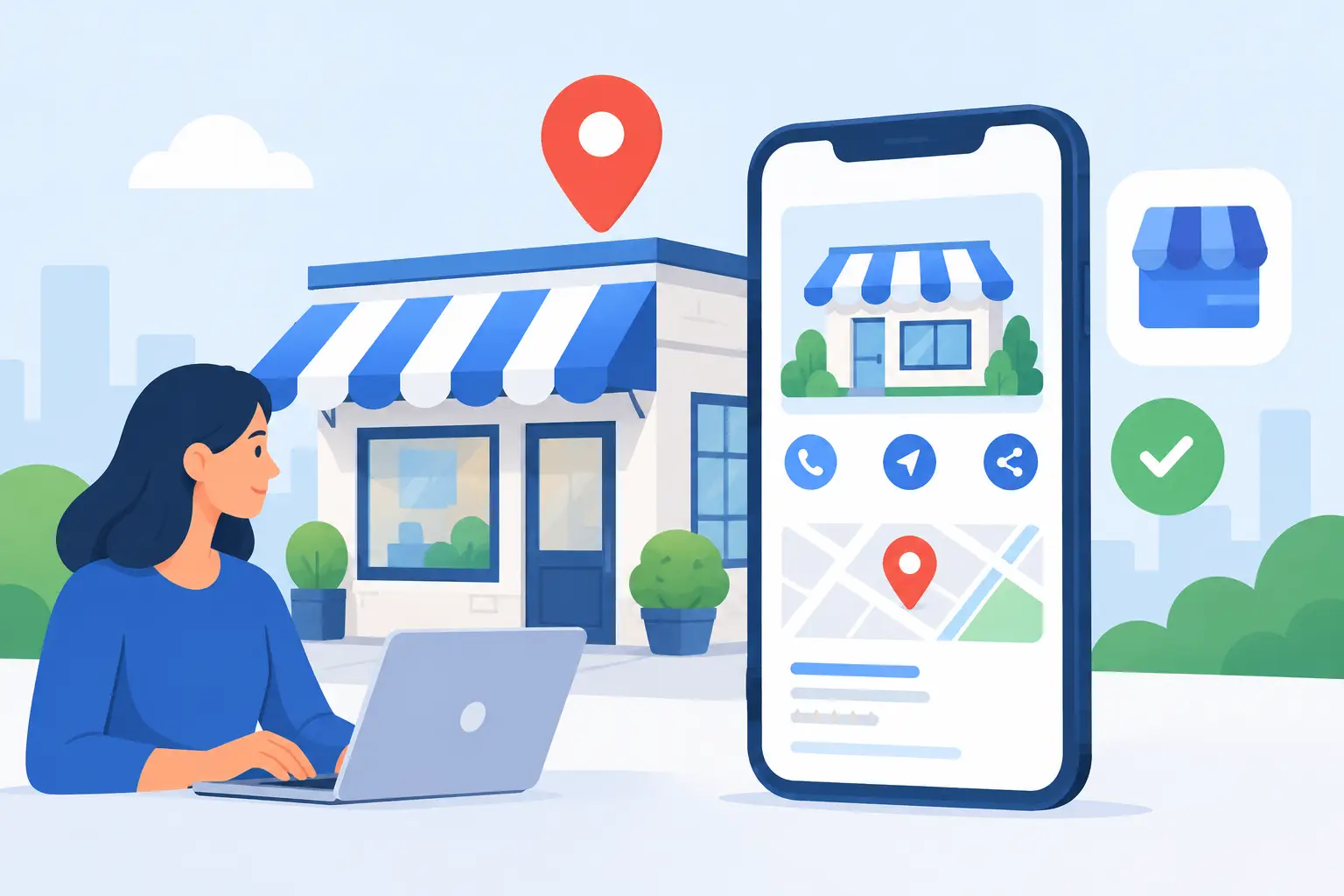
Your business profile on major search and map platforms is often the first ad customers see, even when you are not paying for the impression. Strong photos, current hours, accurate categories, recent posts, and a steady flow of reviews make a local business look active and trustworthy.
This is especially powerful for restaurants, retailers, and service companies competing against larger brands. A customer comparing three nearby options may choose the business with fresh photos, clear service details, and proof that real people had a good experience last week. Reputation management is advertising when it removes doubt before the customer contacts you.
3. Run offer-based social ads within a tight radius
Social ads work best locally when they give people a reason to act now. “We are here” is not enough. “Free appetizer with dine-in orders Tuesday through Thursday,” “$79 furnace tune-up before the first cold snap,” or “Book your holiday party by Friday and receive a bonus dessert tray” gives the audience a decision to make.
Target nearby neighborhoods, not an entire state. Use real photos of your team, storefront, finished projects, or best-selling items. Polished stock images may look nice, but local customers respond to proof that your business is real, nearby, and busy serving people like them.
4. Retarget the people who already showed interest
Most prospects do not buy the first time they visit your site or social profile. Retargeting keeps your business visible to people who viewed a menu, started an order, checked your service pages, or looked at event information without taking the next step.
The message should match what they considered. Someone who viewed catering should see catering. Someone who read about water heater replacement should see fast scheduling, financing options if available, and customer proof. Generic follow-up ads waste the advantage that retargeting gives you.
5. Build a text list that drives repeat visits
Local advertising should not rely entirely on renting attention from ad platforms. A customer text list gives you a direct way to promote slow-day offers, product launches, openings, events, and seasonal services to people who already know you.
Use text marketing with discipline. A restaurant can send a lunch special at the right time. A salon can fill last-minute openings. A retailer can create urgency around a weekend release. Ask for permission clearly, send messages people will value, and make redemption easy to measure.
6. Make email earn its place in the mix
Email is less urgent than text, but it gives you room to tell a stronger story. Use it for monthly offers, local event calendars, seasonal reminders, new menu announcements, service tips, and loyalty rewards. It is particularly useful for businesses with longer buying cycles, such as remodelers, venues, and specialty retailers.
Do not send a newsletter just because someone said you should. Every email needs a job. It should bring back past customers, move a prospect closer to booking, or make a timely offer that creates measurable sales.
7. Partner with businesses that share your customer
A good local partnership puts your offer in front of people who are already spending money nearby. A pizzeria can work with youth sports leagues. A wedding DJ can partner with venues, florists, and photographers. A home improvement company can collaborate with real estate agents or property managers.
The key is mutual value. Exchange offers, sponsor a useful event, create a referral incentive, or build a package that makes both businesses easier to choose. Avoid vague partnerships that produce a logo on a flyer but no customer action.
8. Use community events as lead-generation machines
Festivals, school fundraisers, neighborhood markets, and charity events can produce real local exposure, but only if you give people a reason to remember and contact you later. Showing up with a banner is branding. Showing up with an offer, a sign-up mechanism, and a follow-up plan is advertising.
For example, a local retailer might collect text opt-ins for a same-day event-only offer. A contractor could offer a seasonal home-maintenance checklist and a drawing for an inspection. Measure contacts collected, offers redeemed, and appointments created before committing to the same event next year.
9. Advertise to new movers and new homeowners
People who have recently moved are making buying decisions fast. They need restaurants, dentists, cleaners, contractors, gyms, pet services, and local entertainment. That makes them one of the most valuable audiences in a trade area.
Your offer should recognize their immediate need. Welcome packages, first-service discounts, neighborhood guides, and new-home inspections can work well. This tactic is not right for every business, but for companies that benefit from long customer relationships, winning a household early can pay off for years.
10. Make direct mail trackable and targeted
Direct mail is far from dead when it is used with precision. A well-designed postcard can stand out because the mailbox is less crowded than a social feed. It is especially effective for restaurants, local retail, home services, and businesses that serve defined neighborhoods.
Skip the broad “we do everything” message. Target selected carrier routes or households that fit your ideal customer, then give recipients a unique code, offer, or landing page. Direct mail costs more to produce than a digital impression, so tracking is not optional.
11. Create local proof through customer stories
A five-star rating is helpful. A specific customer story is stronger. Ads featuring a homeowner whose project was completed on time, a family that found its new favorite pizza spot, or an event client whose guests stayed on the dance floor make your promise believable.
Keep the story short and specific. What problem did the customer have? What did your business do? What result did they get? Local proof works across paid social, email, website pages, and sales follow-up because it answers the question every prospect is asking: “Can I trust these people?”
12. Promote the offers your competitors are too slow to copy
The fastest way to become forgettable is to advertise the same generic promise as everyone else. “Quality service” and “great prices” do not give customers a reason to choose you today. Build offers around your real advantage: faster delivery, a better guarantee, a signature product, a bundled service, easier ordering, or a premium experience.
Be careful not to train customers to wait for discounts. Sometimes the right offer is convenience, access, or a value-added bonus rather than a lower price. A strong business protects its margins while making the decision easier.
How to Choose Local Advertising Ideas That Pay Back
Do not launch all 12 tactics at once. Pick one high-intent channel, one repeat-customer channel, and one local trust-builder. For a restaurant, that might mean map visibility, text offers, and review generation. For a home service company, it may be search ads, retargeting, and customer-story campaigns.
Track calls, form submissions, booked jobs, online orders, redemptions, and returning customers. Then compare revenue to ad spend, not just clicks or likes. The best channel depends on your category, sales cycle, margins, and trade area. What matters is building a system that makes your quality business the obvious choice close to home.
Start with the customer action that would change your month, build an offer around it, and promote it where local buyers are already looking. That is how a business stops being another option and starts getting famous in its trade area.