
A slow Tuesday night is not a branding problem. It is a visibility, offer, or follow-up problem. The best marketing channels for restaurants are the ones that put your food in front of nearby hungry people, make ordering easy, and give them a reason to come back sooner.
That does not mean every restaurant needs to be everywhere. A neighborhood pizzeria, a chef-driven dining room, and a fast-casual lunch spot can all succeed with very different channel mixes. The right move is to build around how your customers choose where to eat, how often they return, and what a new customer is worth to your business.
How to Choose the Best Marketing Channels for Restaurants
Restaurant marketing should be judged by revenue, not applause. A post with 20,000 views is nice. A campaign that fills 30 seats on a typically quiet Wednesday is better. Before committing money or staff time to a channel, ask three questions: Does it reach people in our trade area? Can it create an order, reservation, or visit? Can we measure whether it worked?
Local intent should lead your decision. When someone searches “pizza near me,” “best brunch in [city],” or “restaurants open now,” they are close to making a purchase. That is why search visibility, a strong restaurant website, and reviews usually deserve attention before broad awareness campaigns.
Frequency matters just as much. A restaurant cannot depend entirely on new customers. The best programs combine discovery channels that bring in first-time diners with retention channels that keep past guests ordering, booking, and recommending you.
1. Google Search and Local SEO Capture Hungry Demand
Google is often the highest-value channel for a local restaurant because it captures demand already in motion. A customer looking for dinner tonight does not need a long sales pitch. They need confidence that your restaurant is nearby, open, appealing, and easy to order from.
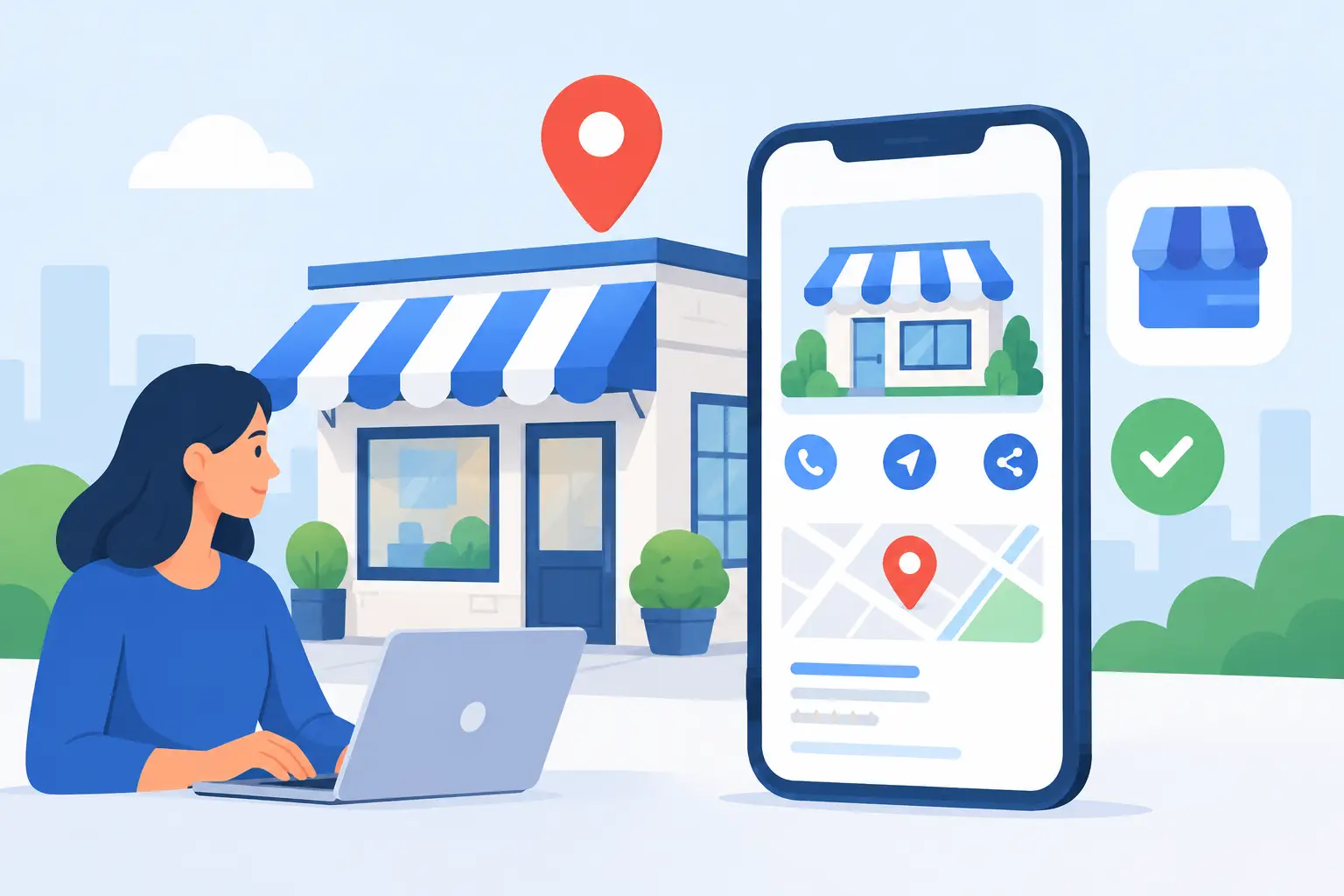
Your Google Business Profile needs accurate hours, an updated menu, current food photography, the right categories, and a steady flow of genuine reviews. Small details create big leaks. If your holiday hours are wrong, your phone number is buried, or your menu is an unreadable image, customers move to the next option.
Local SEO expands that visibility beyond your business profile. Your website should clearly identify your location, cuisine, signature items, service options, and nearby areas you serve. A pizzeria that serves three surrounding towns should not make search engines or customers guess where delivery is available.
This channel is especially powerful for restaurants with strong food, dependable service, and a clear local reputation. It may take longer to build than a paid ad campaign, but it can keep producing traffic after the initial work is done.
2. Your Website and Online Ordering Turn Interest Into Revenue
Your website is not a digital brochure. It is your conversion center. Every channel eventually sends customers somewhere: to check the menu, place an order, reserve a table, find parking, or decide whether your restaurant fits the occasion.
A good restaurant website gets out of the way. Mobile visitors should be able to see the menu, location, hours, ordering options, and reservation path without hunting. Make your signature dishes visible. Show real photos. Put takeout, delivery, catering, and reservations where customers can find them immediately.
Online ordering deserves special attention because it protects margin and customer ownership. Third-party delivery marketplaces can introduce your restaurant to new customers, but their fees and control over the customer relationship come with a price. Use them strategically if they work for your market, then give diners a clear reason to order directly next time. A direct-order offer, loyalty perk, or easy reorder experience can shift more profitable business back to your own system.
3. Reviews Build the Trust That Ads Cannot Buy
Restaurants are judged before the first bite. A diner may see your ad, find you in search, and then check your reviews before committing. That makes reputation management a core marketing channel, not an afterthought for when something goes wrong.
Ask satisfied customers for reviews consistently, not only after a great weekend. Train the team to make the request naturally, include it in post-purchase communication when appropriate, and make the process simple. The goal is not to chase a perfect rating. It is to build a current, credible body of feedback that reflects the experience you deliver.
Respond to reviews with professionalism, including the negative ones. A defensive reply can cost more customers than the original complaint. A calm response that acknowledges the issue and shows accountability tells future diners that your business cares about the guest experience.
Reviews also reveal operational opportunities. If customers repeatedly praise the lunch speed, promote it. If several mention confusing pickup instructions, fix them. The most effective marketing does not cover up weak points. It turns real customer feedback into a better business.
4. Email and Text Marketing Create Repeat Visits
Most restaurant owners spend too much energy chasing the next new customer and too little bringing back the people who already know they like the food. Email and text marketing solve that problem when they are used with discipline.
Text messages work best for timely, high-intent offers: a game-day package, a weather-driven delivery special, a last-minute table opening, or a limited menu item. Email gives you more room for catering announcements, events, loyalty updates, holiday ordering, and menu stories.
Do not train customers to wait for discounts. A 15% off message every Friday can cut into margins and weaken your regular pricing. Instead, create offers that fit the business need. Promote a family bundle on a slow night, reward direct ordering, invite regulars to a tasting event, or feature an item with a strong margin.
The list matters more than the blast. Collect customer permission at checkout, through online ordering, reservations, Wi-Fi sign-ups, and in-store promotions. Then segment when possible. A weekly lunch customer should not receive the exact same message as a catering lead or a Friday-night family-order customer.
5. Social Media Makes Your Restaurant Memorable
Social media rarely replaces local search as a direct sales engine, but it can make your restaurant the obvious choice when diners are deciding between familiar options. Food is visual, personality travels, and a well-run local account keeps your name in the conversation.
Focus on content that gives people a reason to care: a cheese pull from a bestselling pie, the prep behind a signature dish, a bartender making a seasonal drink, a packed patio, a staff member customers know by name, or a local event you are supporting. The point is not to post every day for the sake of posting. The point is to make your experience feel real and desirable.
Short-form video is valuable, but it should not consume your operation. One focused shoot can produce enough useful content for several weeks. Keep the calls to action direct: order online, reserve a table, try the special, or visit before it is gone.
6. Targeted Paid Advertising Produces Fast Local Momentum
Paid search, social ads, and targeted display campaigns can create immediate visibility when you have a clear offer and a working conversion path. They are especially useful for a new location, a menu launch, catering growth, seasonal demand, or a period when you need to fill seats quickly.
The trade-off is simple: paid ads stop when the budget stops. That is why they work best alongside local SEO, review growth, and customer retention. Use geographic targeting tightly. A restaurant does not need to pay for impressions 30 miles away if most customers will not travel that far.
Match the ad to the action. Search ads can capture high-intent terms such as catering, delivery, or private dining. Social ads can promote visual offers, events, and specials to local audiences. Retargeting can remind website visitors to finish an order or make a reservation. Sending paid traffic to a generic homepage wastes money. Send customers to the page that matches what they clicked.
7. Community Partnerships Put You Where Locals Gather
The strongest local restaurants become part of the community fabric. Partnerships with schools, youth sports, offices, hotels, apartment communities, breweries, venues, and local charities can drive new trial and build a reputation that no ad can manufacture alone.
The right partnership depends on your audience. A family restaurant may benefit from school fundraisers and sports-team nights. A lunch-focused café can build office catering relationships. An upscale restaurant may gain more from hotel concierge relationships, event venues, and local business groups.
Choose partnerships that create repeatable exposure, not just a one-time logo placement. Give partners a clear offer, track redemptions when possible, and make sure the experience is strong enough that first-time guests return on their own.
Build a Restaurant Marketing System, Not a Random Channel Mix
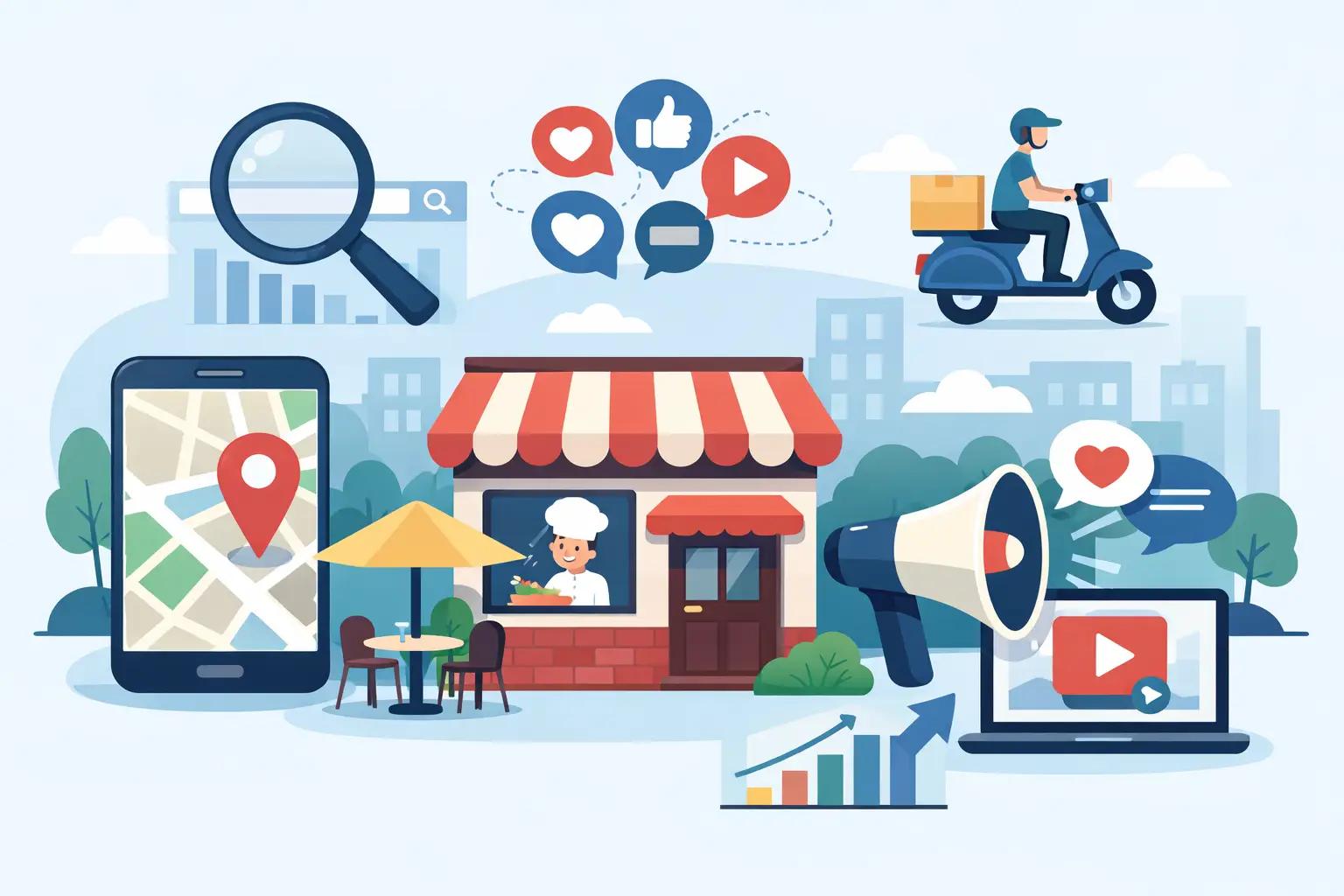
Start with the foundation: accurate local listings, a fast website, easy ordering or reservations, and a review process. Then add retention through email and text. Once those pieces are working, use paid advertising and social media to accelerate specific offers, locations, or revenue goals.
Track a few numbers every month: direct online orders, calls, reservations, review volume, repeat purchase rate, catering inquiries, and sales tied to each promotion. If a channel creates attention but not action, change the offer, audience, or destination before increasing the budget.
Restaurants that dominate their trade area do not rely on luck or a single viral post. They show up when locals search, look credible when locals compare, and stay top of mind after the first visit. That is how a quality restaurant becomes famous where it matters most: right around the corner.