
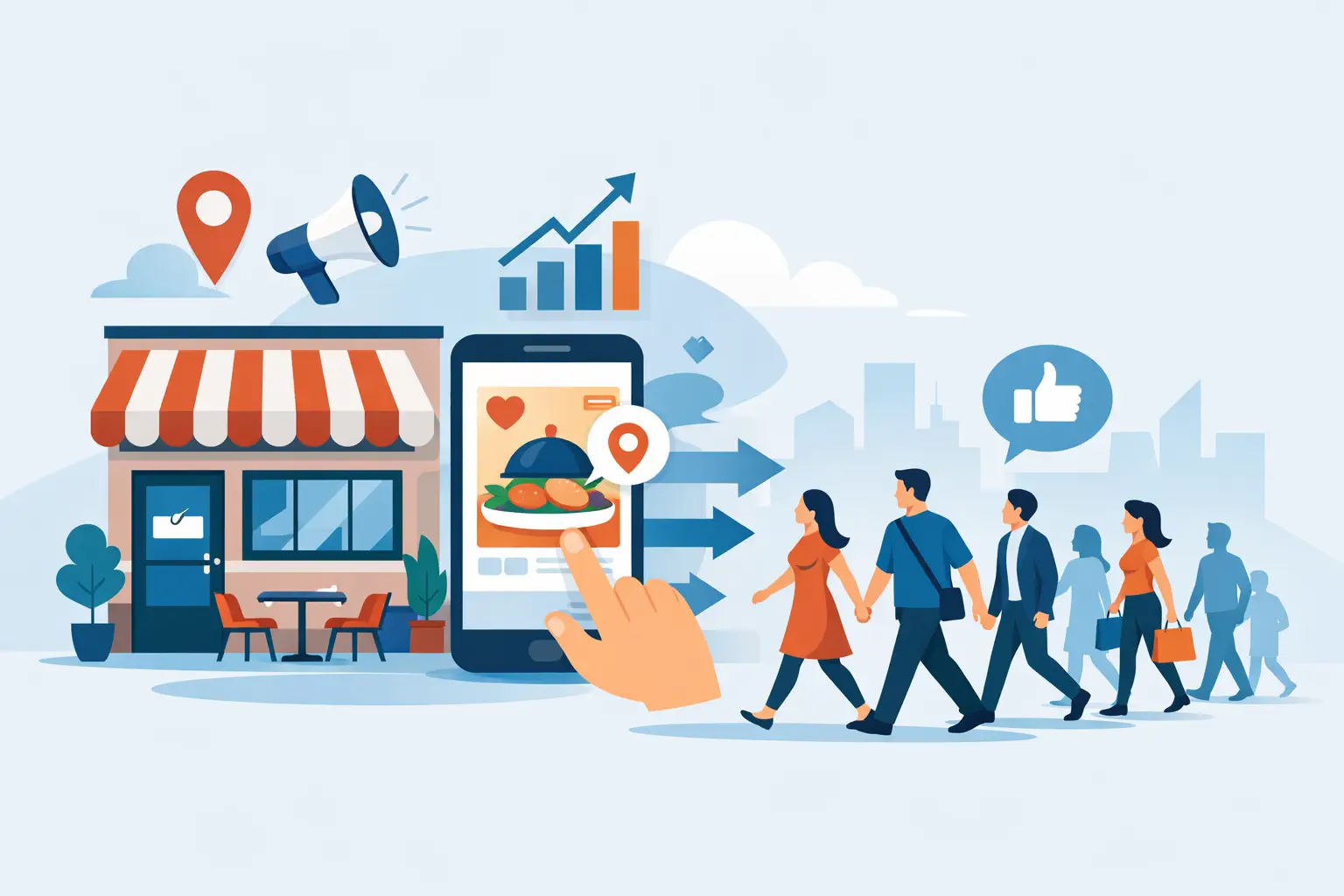
A slow dining room is rarely caused by one problem. It is usually the result of several missed opportunities: people cannot find you nearby, your online listing looks outdated, your offer gives them no reason to act now, or past guests have no reason to return. Learning how to increase restaurant foot traffic means fixing the entire path from local search to the front door.
For independent restaurants, pizzerias, cafes, and neighborhood concepts, the goal is not random exposure. You need to become the obvious choice when hungry people in your trade area are deciding where to eat. That takes visibility, a memorable reason to visit, and consistent follow-up after the first order.
Start Where Diners Start: Local Search
When someone searches “pizza near me,” “best lunch in [your town],” or “restaurants open now,” they are not researching for fun. They are close to making a purchase. If your restaurant does not show up prominently, a competitor gets the table, takeout order, or catering inquiry.
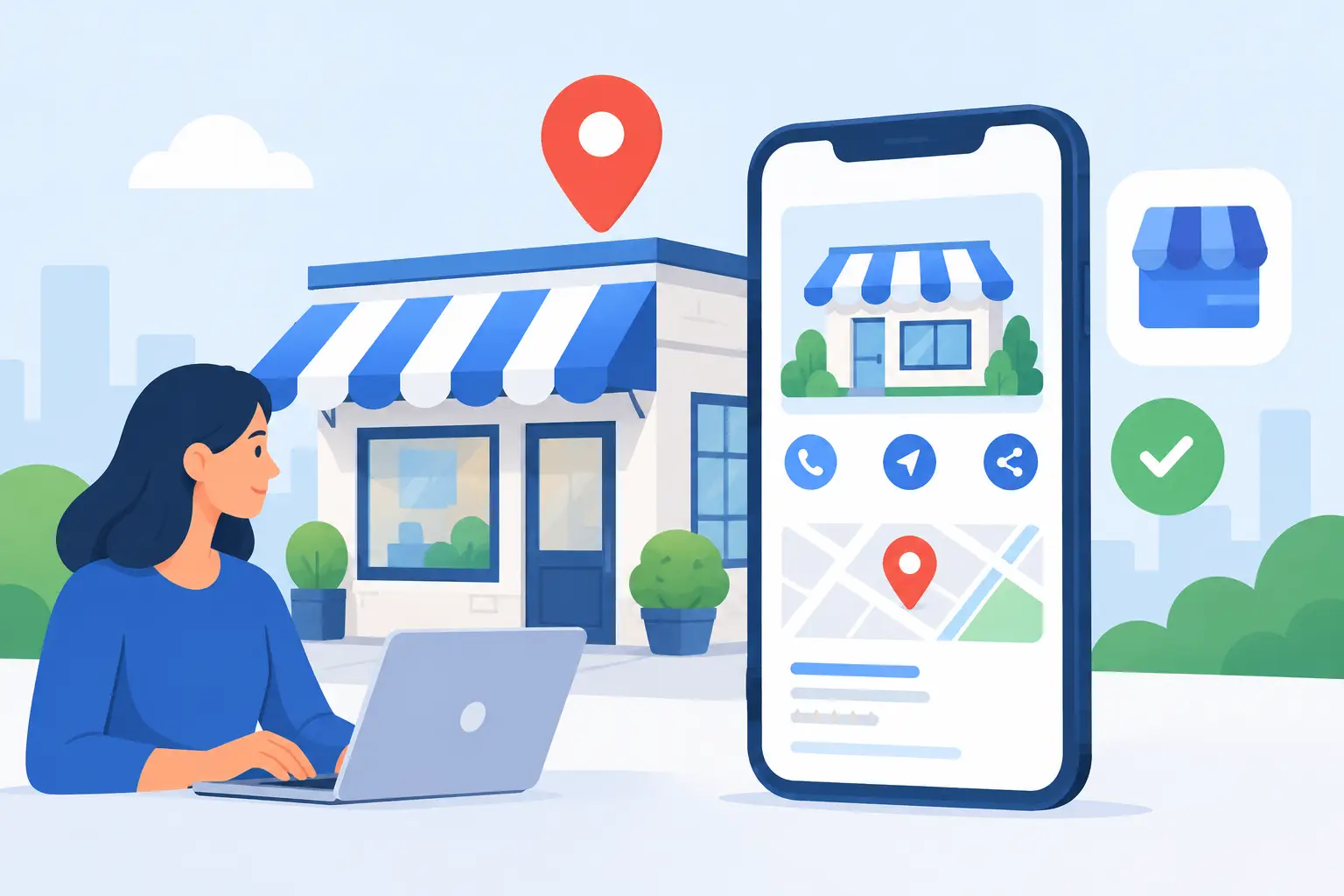
Your Google Business Profile should be treated like a live sales page, not a listing you set up years ago and forgot. Confirm that your address, phone number, hours, website, menu, ordering options, and categories are accurate. Add fresh food photos that show what customers actually want to order, not just a logo or an empty dining room.
Keep holiday hours current. Few things damage trust faster than a customer driving over for dinner only to find locked doors. Publish posts about specials, events, seasonal dishes, and limited-time offers. The more complete and active your local profile is, the more confident both search engines and diners become.
Local restaurant SEO also matters beyond the map listing. Your website should clearly state what you serve, where you serve it, and why diners should choose you. A family-owned Italian restaurant in a specific neighborhood should not sound like every Italian restaurant in America. Make the local connection clear in your menu pages, location pages, catering information, and content.
Give People a Reason to Visit This Week
Being visible is only half the battle. A person may see your restaurant, think “that looks good,” and still default to their usual spot. Foot traffic grows when you create a timely reason to break that habit.
The strongest offers are specific and easy to understand. A vague “specials available” message does not create urgency. A weekday family meal bundle, a lunch combo for nearby office workers, a game-day pizza package, or a Tuesday kids-eat-free promotion gives customers a clear reason to choose you on a particular day.
Do not train customers to wait for permanent discounts. Deep, endless promotions can fill seats while shrinking margins. Instead, use offers strategically to solve slow periods, introduce a new menu item, support an event, or bring back customers who have not visited recently.
For example, if Friday and Saturday are already full, do not waste ad dollars pushing a generic weekend discount. Build a Monday-through-Thursday campaign aimed at local families, workers, and residents within a practical drive radius. The right promotion moves demand into seats that would otherwise stay empty.
Turn Your Menu Into a Marketing Asset
Your menu should answer the question diners are silently asking: “What is the one thing I need to try here?” Feature signature items in photos, social posts, emails, text messages, and local advertising. The goal is to make your food recognizable before the guest even arrives.
If your restaurant has a standout square pie, smoked wings, handmade pasta, oversized sandwiches, or a dessert customers talk about, lead with it. Generic restaurant marketing gets generic results. A clear food identity makes your business easier to remember and easier to recommend.
Build a Review Engine, Not a Review Emergency
A restaurant with 4.7 stars and recent, detailed reviews has a major advantage over a similar restaurant with a stale or inconsistent reputation. Reviews influence where people eat, especially when they are new to the area, planning a group meal, or choosing between two nearby options.
Ask for reviews while the experience is still fresh. Train staff to make a polite, natural request at the right moment, such as after a guest compliments the meal or after a successful catering pickup. You can also use receipts, table cards, post-visit email, or text messages to make leaving feedback simple.
The request should never feel pushy. It should sound like a local business that values real customer input. Then respond to reviews consistently, including the negative ones. A calm, professional response shows future customers that you take service seriously.
One bad review will not destroy a good restaurant. Ignoring a pattern of complaints can. If guests repeatedly mention slow service, cold food, confusing pickup instructions, or an outdated online menu, fix the operational issue alongside the marketing. More traffic is valuable only if the customer experience is ready for it.
Make Social Media Local and Useful
Restaurant social media works best when it makes nearby people hungry and gives them a reason to visit. It is not about chasing every trend or posting polished content that could belong to any brand.
Show fresh dishes coming out of the kitchen, staff personalities, happy-hour energy, community events, catering setups, and behind-the-scenes moments that make your restaurant feel alive. Short videos often outperform static posts because food is visual, immediate, and emotional.
Location matters. Mention your town, neighborhood, nearby landmarks, and community events naturally in your captions. If a local high school has a big game, a downtown festival is happening, or a nearby business district is hosting an event, build a relevant offer around it. That is how you turn community attention into restaurant traffic.
Paid social advertising can extend the reach of a strong offer, but only when the targeting and message are tight. Promote a lunch deal to people near your location during the workweek. Promote family bundles to nearby households before dinner. Send event ads to a local radius, not an entire state.
Use Text and Email to Bring Customers Back
Most restaurants spend too much energy chasing first-time diners and too little reactivating people who already know the food. Your past customers are one of your most valuable marketing audiences because the trust barrier is lower.
Build permission-based email and text lists through online ordering, loyalty programs, in-store signups, and event registrations. Then communicate with purpose. A message should contain something worth opening: a new seasonal item, a limited-time package, a weather-based offer, an event reminder, or a thank-you reward for regulars.
Text marketing is especially effective for immediate opportunities. A rainy Tuesday can become a takeout night with the right message sent at the right time. Email is better for telling a bigger story, promoting catering, announcing menu changes, or keeping your restaurant top of mind over time.
Do not message customers every day just because you can. Frequency depends on your concept and audience. A quick-service pizza shop can communicate more often than a special-occasion steakhouse. Watch open rates, redemptions, unsubscribes, and sales to find the right pace.
Create Events That Fit Your Concept
Events can generate foot traffic, but only if they match the restaurant and the local audience. Trivia, live music, wine dinners, kids’ nights, sports watch parties, tasting events, and fundraiser partnerships can all work. The key is giving the event a clear identity and promoting it early enough for people to plan around it.
A neighborhood pizzeria might host a youth sports fundraiser on a traditionally slow night. A brunch restaurant might partner with a local maker for a weekend pop-up. A bar and grill might build a recurring game-night audience. Recurring events are often more valuable than one-off events because they create habits.
Measure event performance beyond the room being busy. Track covers, average ticket size, new customer signups, review volume, repeat visits, and the sales impact on the same day in future weeks. If an event attracts a crowd that buys one drink and occupies tables for three hours, it may need a different format or pricing structure.
Track What Actually Brings People In
How to increase restaurant foot traffic is not solved by posting more and hoping. You need to know which channels produce real visits and revenue. Track calls, direction requests, online orders, reservations, offer redemptions, website visits, new reviews, and customer-list growth.
Ask new customers how they heard about you. Train hosts and staff to capture that information casually. Use unique offer codes for campaigns when possible. Over time, you will see whether local search, paid ads, community partnerships, social content, or customer follow-up is producing the strongest return.
A Vital Need helps quality local businesses turn those signals into a focused growth plan, so marketing dollars are connected to traffic, orders, and repeat business rather than vanity metrics.
Your restaurant does not need to be everything to everyone in town. It needs to be impossible to overlook for the diners most likely to love what you do. Get visible where local decisions happen, make the visit worth acting on now, and give every satisfied customer a reason to come back with friends.