

A customer is searching for a plumber at 8:15 a.m., a pizza place at 5:30 p.m., or a contractor after spotting a leak in the ceiling. They are not researching your brand story. They are looking for a credible local business that can solve the problem now. If you want to know how to get more local leads, start by winning those high-intent moments before a competitor does.
Local lead generation is not about getting your name in front of everyone. It is about becoming the obvious choice for the right people in the neighborhoods, towns, and service areas where you can actually do business. That requires visibility, proof, speed, and follow-up working together.
Start With the Local Search Results That Drive Calls
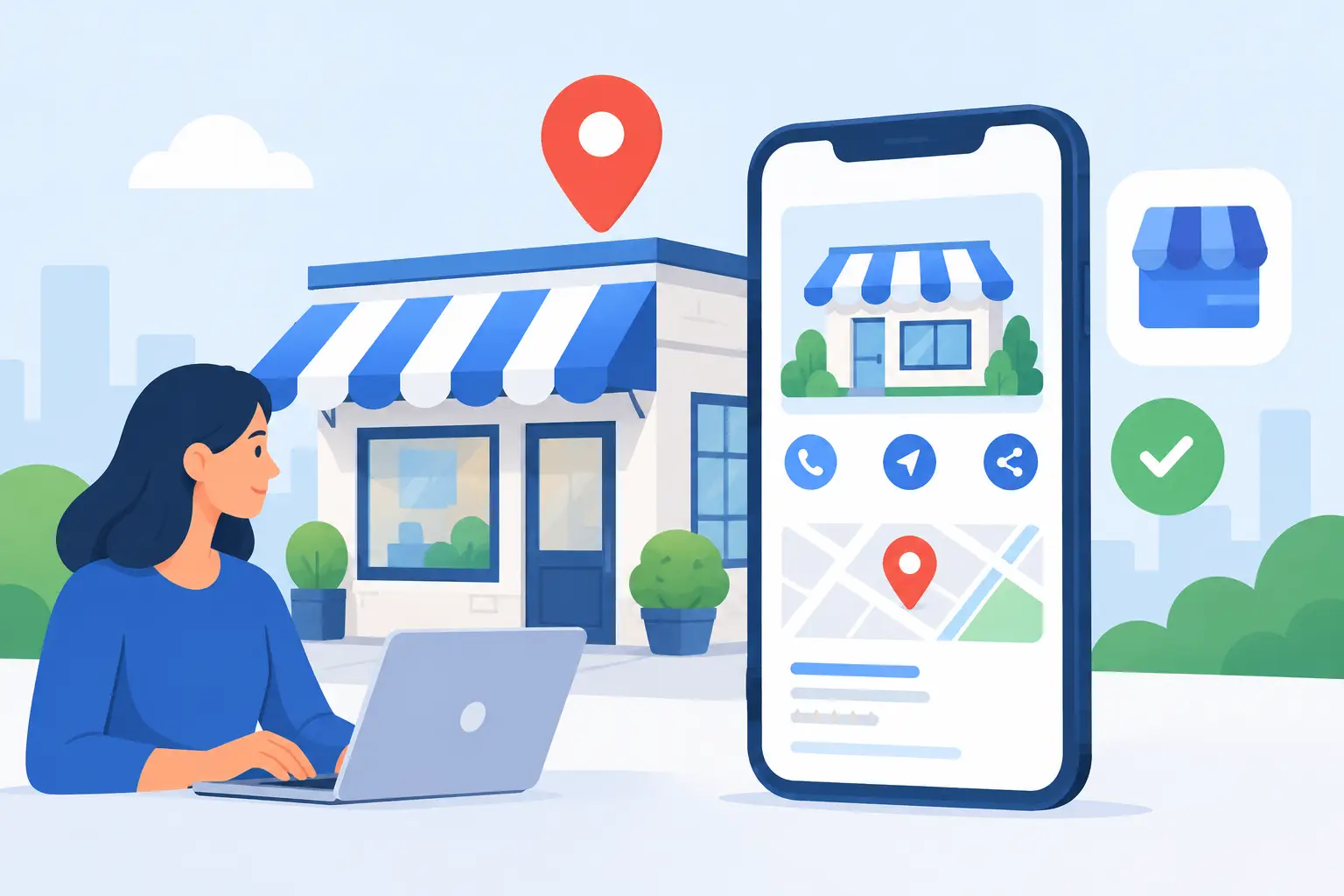
For most local operators, Google is the front door. A strong Google Business Profile can produce calls, direction requests, website visits, bookings, and order activity before someone ever reaches your website. Yet many businesses treat it like a one-time setup instead of a sales asset.
Make sure your business name, address, phone number, hours, service categories, and service area are accurate everywhere they appear online. Use current photos that show what a customer will actually experience: your team, your finished work, your storefront, your food, or your event setup. Add services and products with plain-language descriptions based on how customers search.
A restaurant should not stop at “Italian restaurant.” It should show the menu items and occasions that drive orders, such as family pizza night, catering trays, gluten-free options, or late-night delivery. A home service company should name specific jobs, such as water heater replacement, emergency drain cleaning, roof repair, or kitchen remodeling.
Keep the profile active. Post timely offers, seasonal updates, events, and new services. Answer questions. Respond to reviews. Accuracy builds trust, while activity signals that your business is open, involved, and worth contacting.
Build a Website That Converts Local Attention
A website does not earn leads because it looks modern. It earns leads when a visitor can immediately answer three questions: Do you serve me? Can you solve my problem? What should I do next?
Put your core service, location, and primary call to action near the top of every key page. A visitor should not have to hunt for your phone number, request form, online ordering button, booking tool, or service area. On mobile, those actions need to be especially easy. Local leads often come from someone standing in a parking lot, sitting at home after work, or dealing with an urgent problem between meetings.
Create pages around real buying intent. If you serve several towns, build useful location pages that explain what you do in each area, show relevant proof, and make it simple to contact you. Do not create thin pages that merely swap one city name for another. Search engines and customers can spot the difference.
The same applies to service pages. “HVAC services” is broad. A page focused on AC repair, with signs of failure, service expectations, customer reviews, and a clear call button, gives a local prospect a reason to choose you now.
Get More Local Leads With Reviews That Sell
Reviews are not just a reputation metric. They are public sales conversations. A prospect comparing three nearby businesses will look for evidence that you show up, communicate clearly, charge fairly, and deliver what you promise.
Ask for reviews as part of the customer experience, not as an afterthought. The best time is immediately after a successful job, a great meal, a completed order, or a positive interaction. Make the request simple and direct. Your staff can mention it in person, and your follow-up text or email can make it easy to respond while the experience is fresh.
You need a steady review flow, not a one-week campaign followed by silence. A business with many recent, detailed reviews usually earns more confidence than one with a high rating built years ago.
Respond to every review with professionalism. Thank positive reviewers without posting the same canned reply repeatedly. When a complaint is fair, acknowledge the concern and move the conversation toward a solution. A thoughtful response is not only for the unhappy customer. It shows every future lead how you operate when something goes wrong.
Use Paid Ads for Fast, Controlled Demand
Organic visibility compounds over time. Paid local advertising can create demand much faster, especially when you have a seasonal offer, open appointment capacity, a new location, or a high-margin service to promote.
The mistake is running broad ads that reach people far outside your trade area or send clicks to a generic homepage. Target the ZIP codes, neighborhoods, and radius that make business sense. Then match the message to the customer’s immediate need.
A pizzeria might promote a weekday family bundle within a tight delivery radius. A remodeling company might run ads for bathroom renovations in higher-value neighborhoods. An entertainer may focus on parents, venues, or planners within driving distance of the event types they want to book.
The offer matters, but the destination matters just as much. Send ad traffic to a focused landing page with the service, proof, details, and a single next action. Track calls, form submissions, booked appointments, and orders. Clicks are not leads, and leads are not automatically profitable customers.
Make Speed a Competitive Advantage
Many local businesses spend money to generate leads, then lose them through slow response times. A missed call goes to voicemail. A form sits untouched until tomorrow. A social media message gets buried under notifications. By the time someone responds, the prospect has already hired, ordered from, or booked with another business.
Set a standard for lead response. During business hours, aim to answer calls and messages quickly. If that is not possible, use an immediate text acknowledgment that confirms you received the inquiry and says when the customer can expect a real response. Then follow through.
Train staff to turn inquiries into next steps. “How much does it cost?” should not automatically receive a vague answer or a dead-end response. Ask a useful qualifying question, explain what affects pricing, and guide the prospect toward an estimate, appointment, consultation, or order.
For service businesses, a missed-call text-back system can recover opportunities that would otherwise disappear. For restaurants and retailers, text and email can bring previous customers back with timely promotions. Lead generation and customer retention should support each other. The easiest local lead to close is often the person who already knows you.
Create Local Proof People Can Recognize
Generic marketing gets ignored. Local proof gets remembered.
Show the places you serve, the types of customers you help, and the results you create. Use real project photos, customer stories, neighborhood-specific promotions, community involvement, and recognizable local language. If your company completed a major job for a homeowner in a particular town, share the story with permission. If your restaurant catered a school event or supports a local team, make that visibility work harder for you.
This does not mean forcing a community angle into every post. It means demonstrating that you are part of the market, not an interchangeable business trying to buy attention inside it.
Measure the Lead Sources That Produce Revenue
A lead report should tell you more than how many forms came in. It should tell you where those leads came from, how quickly they were answered, how many turned into customers, and what those customers were worth.
Track the source of calls, requests, orders, bookings, and walk-ins whenever possible. Compare quality as well as quantity. A channel that delivers 10 low-value inquiries may be less useful than one that brings three profitable jobs. Your best mix depends on your sales cycle, margins, competition, and capacity.
That is why local marketing should not be treated as a collection of disconnected tactics. Search visibility, reviews, web conversion, ads, email, text, and follow-up all have one job: make a qualified customer more likely to choose you.
A Vital Need helps quality-driven local businesses put that system in place and become famous where it counts – in their trade area. But whether you handle it in-house or bring in a growth partner, keep the standard high: be easier to find, easier to trust, and faster to choose than the businesses around you.
The next customer in your market is already looking for an answer. Make sure your business gives them a clear reason to call first.