
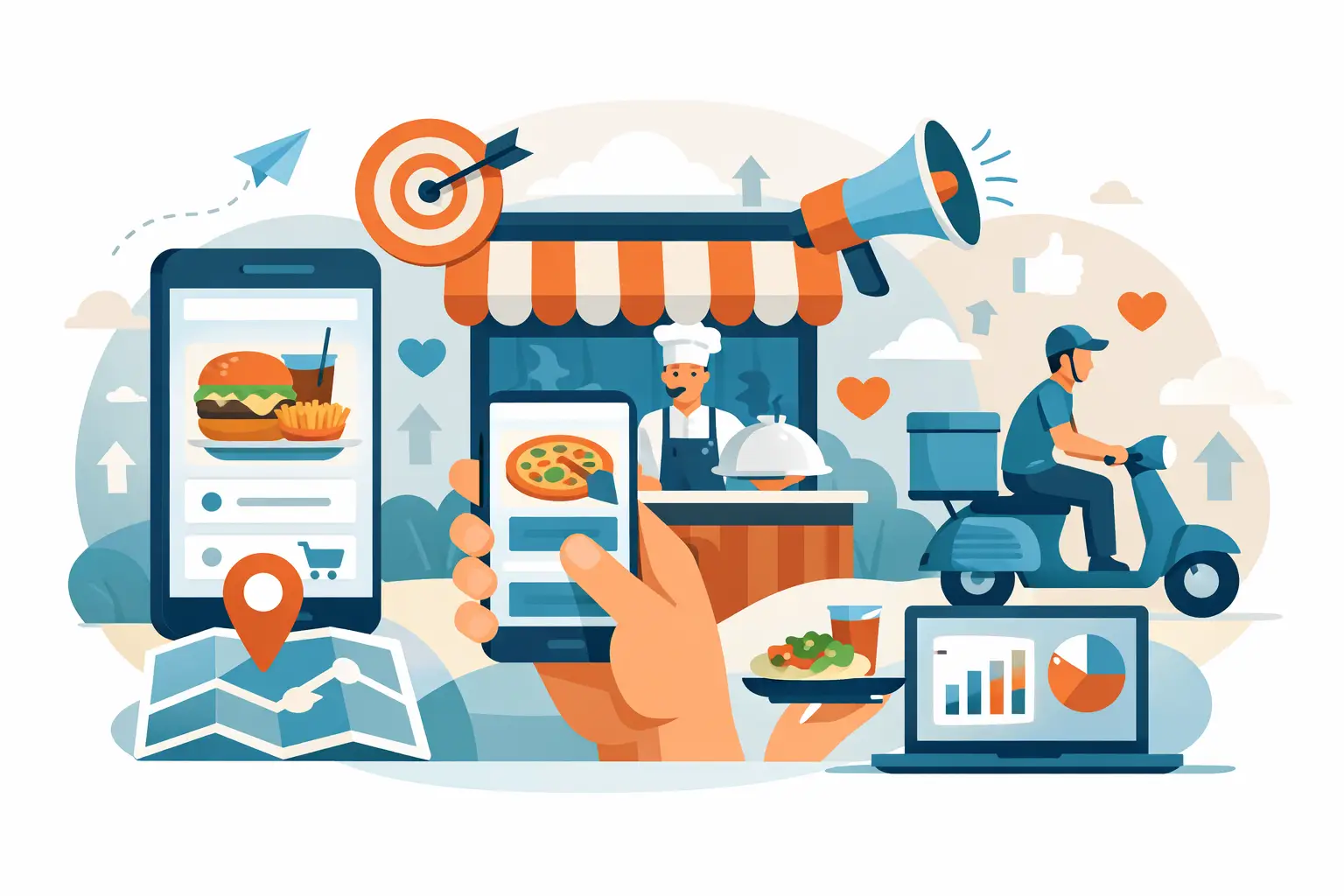
A customer searches for dinner at 6:12 p.m., compares three nearby restaurants, and orders from the one that looks easiest, fastest, and most worth the money. That decision is the battleground for restaurant online ordering marketing. A strong menu and a reliable kitchen are essential, but they do not automatically put more direct orders on your screen.
For independent restaurants, pizzerias, and multi-location operators, online ordering should not be treated as a utility that sits quietly on your website. It is a sales channel, a customer data source, and a repeat-business engine. Market it with purpose, and it can reduce your dependence on third-party marketplace fees while keeping your brand in front of the people who already know your food.
Start With an Ordering Experience Worth Promoting
Marketing cannot save a frustrating ordering process. Before spending another dollar on ads, social posts, or promotions, test your own ordering path like a hungry customer would. Search your business name on a phone. Find the order button. Build an order. Check out. If any step is slow, unclear, or full of surprises, fix that first.
Your order button should be visible on the homepage, menu page, Google Business Profile, social profiles, and every campaign you run. Do not make customers hunt through a navigation menu to find it. The best placement is obvious: a clear, mobile-friendly button with language such as “Order Online” or “Start Your Order.”
Menu structure matters just as much. Customers should be able to find best sellers quickly, understand portion sizes, see modifier options, and know whether an item travels well for delivery or pickup. Great restaurant websites do not make people decode the menu. They guide the purchase.
There is a trade-off here. A huge menu may represent everything your kitchen can make, but it can also slow down ordering and create operational errors. If certain items create frequent mistakes, poor travel quality, or low margins, consider whether they belong in the online menu at all. Your digital menu should be built to sell profitably, not simply copy a printed menu.
Make Direct Ordering the Better Choice
Third-party delivery apps can introduce your restaurant to new customers. That does not mean they should own the customer relationship forever. Your direct ordering experience needs a clear advantage without creating a price war.
That advantage can be a direct-order-only bundle, a loyalty reward, a free add-on with a minimum purchase, or access to the full menu. A pizza shop, for example, might reserve a family meal package or a weekday carryout special for customers who order directly. A fast-casual restaurant might offer a free fountain drink on direct orders over $30.
The offer should protect margin. Blanket discounts can train customers to wait for a deal and can hurt the very channel you are trying to grow. Often, a high-perceived-value add-on costs less than taking 15% off the ticket.
Restaurant Online Ordering Marketing Starts Locally
Your next order is usually not coming from the entire internet. It is coming from someone within your delivery radius, someone driving home from work, a family planning Friday night dinner, or an office manager feeding a team. That is why local visibility has to be central to restaurant online ordering marketing.
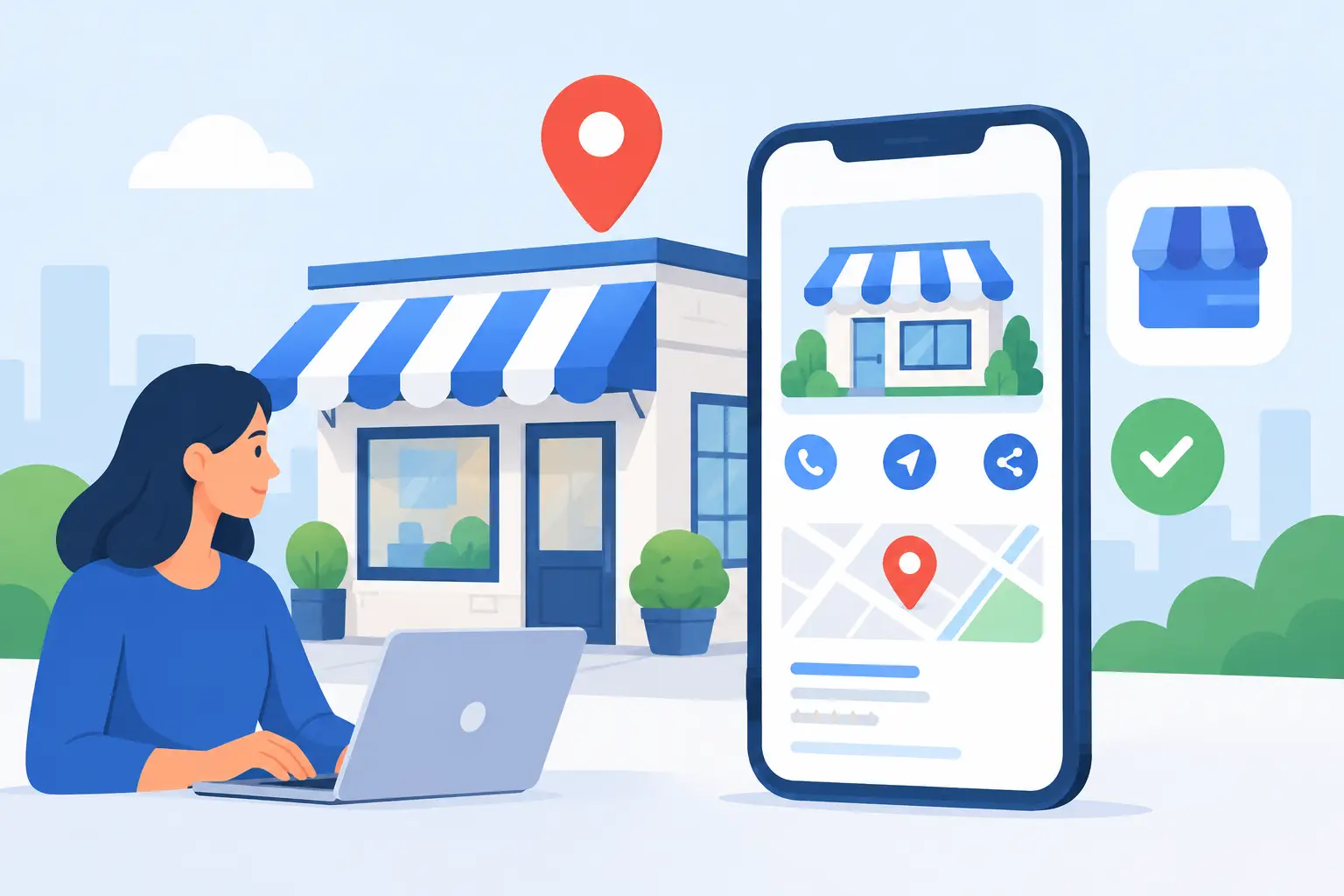
Your Google Business Profile should clearly show ordering options, accurate hours, current phone numbers, fresh food photos, and pickup or delivery details. If customers see conflicting hours between Google, your website, and an ordering platform, many will simply choose another restaurant. Accuracy is not glamorous, but it prevents lost sales.
Local search content can also support the ordering channel. A restaurant known for wings, specialty pizza, tacos, or catering should have pages and copy that reflect what nearby customers actually search for. The goal is not to stuff every neighborhood name into a page. The goal is to become the obvious local answer when someone is looking for what you do.
Paid local ads work best when they point to a specific reason to order. “Order our food online” is weak. “Game-day wings ready for pickup in 20 minutes” gives people a reason to act now. A neighborhood Italian restaurant could promote a Sunday family dinner package. A lunch spot could run ads before noon featuring quick office pickup. Match the message to the moment customers are most likely to buy.
Use Email and Text to Create Repeat Orders
The most valuable online-order customer is not the first-time buyer. It is the person who orders again next week, brings in coworkers, and remembers your restaurant when guests visit. That is where email and text marketing earn their keep.
Build your customer list ethically through your ordering system, in-store signups, loyalty enrollment, and promotional opt-ins. Then segment it. A customer who orders lunch twice a week should not receive the same message as a family that orders dinner once a month.
A useful cadence is based on behavior, not random blasts. Send a welcome message after a first direct order. Follow up with a relevant reason to return after a few days. Re-engage customers who have not ordered in 30 or 45 days with an offer that feels worthwhile. Keep texts short, timely, and compliant with opt-in rules.
For example, a pizzeria might text past customers at 4:30 p.m. on a rainy Friday: “Dinner plans handled. Order any large specialty pizza direct tonight and add garlic knots for $2.” That is specific, time-sensitive, and easy to understand. It is far more effective than a generic “We miss you” message.
Email gives you more room to sell higher-ticket occasions. Use it for catering reminders, holiday packages, new menu launches, loyalty updates, and weekly specials. Include strong food photography, one clear action, and a direct path to order. Do not bury the offer under a long story about your brand.
Turn Reviews and Social Proof Into Orders
A five-star reputation is not just a vanity metric. It helps customers feel safer choosing you when they have never ordered before. Ask for reviews after a positive experience, respond professionally to feedback, and address recurring complaints before they become your public reputation.
If customers repeatedly praise your portions, speed, fresh ingredients, or friendly staff, those are marketing messages. Use the language real customers use in website copy, social posts, ads, and email campaigns. “Best crust in town” may sound like a claim. “The crust was crisp even after a 20-minute drive home” sounds like evidence.
Social media should support ordering, not become a full-time content treadmill. Post food that looks worth ordering, show limited-time specials, highlight team members, and use local moments that matter to your community. Then give people a direct next step. A great food photo without an order link or clear call to action may earn likes, but likes do not pay the food distributor.
Measure Sales, Not Just Clicks
The right numbers tell you where your ordering growth is coming from and where profit is leaking. Track direct online order volume, average order value, repeat purchase rate, conversion rate, cost per acquired customer, and the share of orders coming from third-party platforms versus your own channel.
Also look at what customers buy together. If a particular appetizer is frequently added to family meals, feature it during checkout. If your lunch customers rarely add drinks, test a lunch combo rather than a broad discount. Small improvements to average ticket size can create meaningful revenue without requiring more orders.
Do not judge every campaign after two days. Some promotions are built for immediate conversion, while others build the customer list you can market to later. The key is knowing which outcome you expect before you spend the money.
A Vital Need helps quality-driven local restaurants turn these moving parts into one focused growth system: stronger local visibility, more direct orders, better customer communication, and measurable repeat business. The goal is not to be everywhere. It is to become famous in the trade area that can actually fill your kitchen.
The restaurant that wins online is rarely the one with the loudest discount. It is the one customers can find quickly, trust immediately, and order from again without thinking twice. Make every direct order easier to place, more valuable to the guest, and worth earning again next week.