
A customer searches “best pizza near me,” “emergency plumber,” or “live music this weekend.” Your business is either in front of them at that moment or it is not. That is where the benefits of digital marketing for small businesses become real: more calls, more orders, more bookings, and more familiar faces walking through the door.
For a local operator, digital marketing is not about chasing vanity metrics or posting just to stay busy. It is about becoming the obvious choice in your trade area. The right program puts your business in the places customers already use to make decisions, then gives them a clear reason to choose you over the place down the street.
Digital Marketing Puts You Where Local Buyers Look
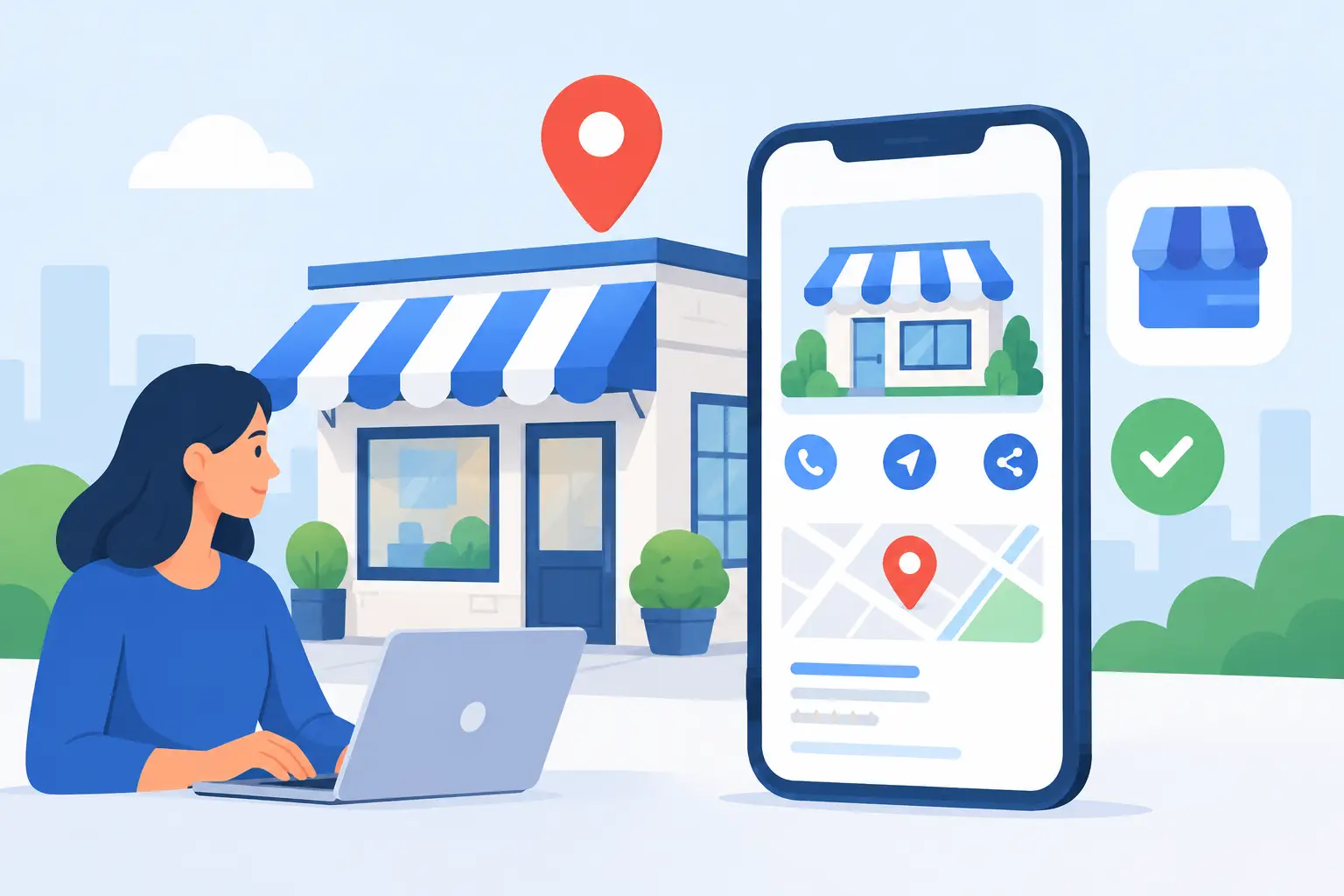
Most buying decisions now begin with a screen, even when the purchase happens in person. A family looking for dinner checks maps, menus, photos, and reviews. A homeowner with a leaking pipe searches for a nearby provider before making a call. A shopper compares store hours and inventory before getting in the car.
If your business has weak search visibility, outdated information, few recent reviews, or a website that makes it hard to take the next step, you are handing ready-to-buy customers to competitors. Digital marketing closes that gap.
Local search captures high-intent demand
Local SEO helps your business appear when people search for what you sell in the areas you serve. This includes your Google Business Profile, service pages, location signals, accurate business details, reviews, and content that answers the questions customers ask before they buy.
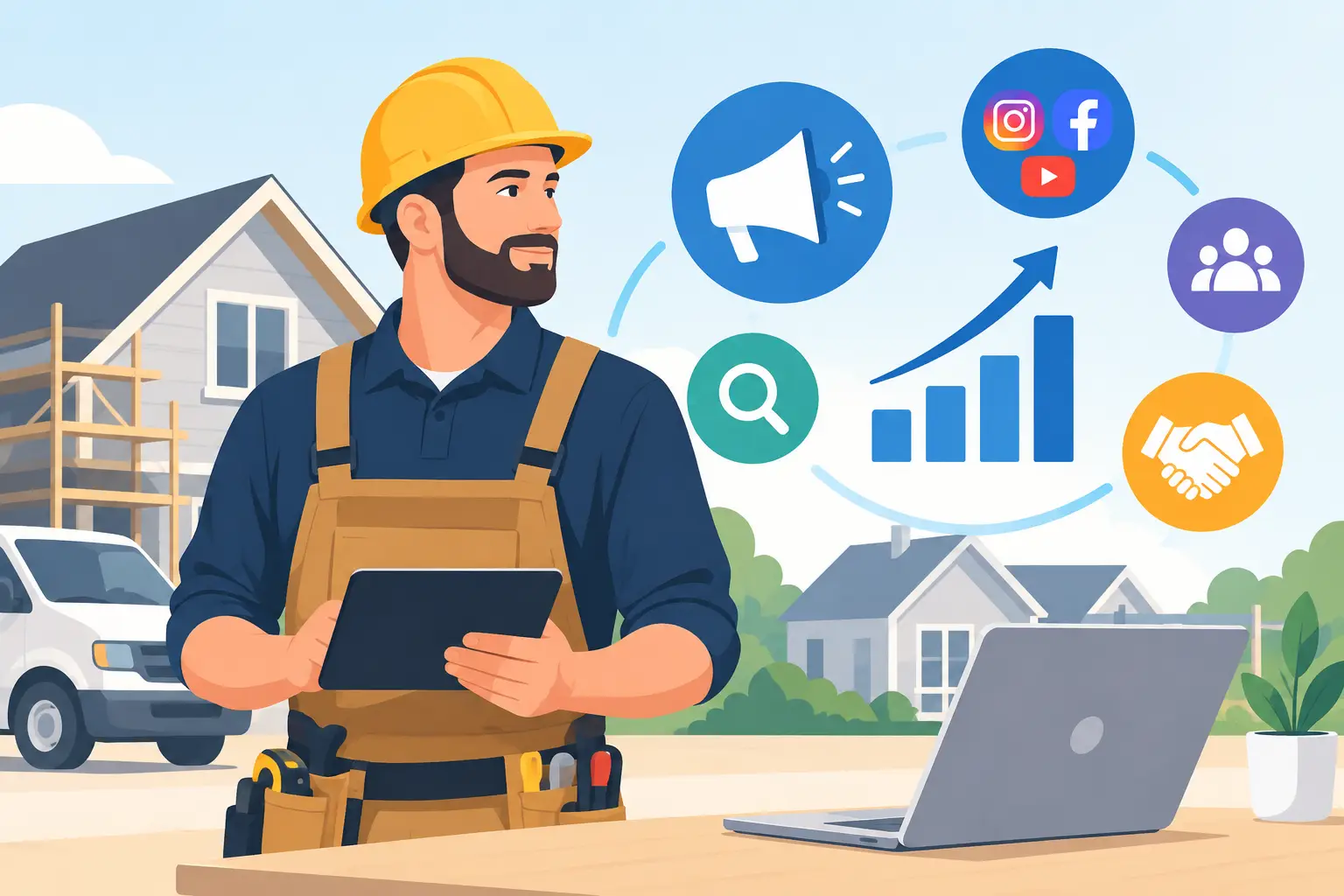
A pizzeria, for example, does not need to be famous nationwide. It needs to show up when hungry customers nearby search for slices, catering, delivery, or late-night food. A remodeling contractor needs visibility for the towns and services that produce profitable jobs, not random clicks from three states away.
That focus matters. Broad exposure may feel impressive, but local demand is what pays the bills.
The Biggest Benefits of Digital Marketing for Small Businesses
The strongest marketing programs connect visibility to action. They do not treat SEO, ads, social media, email, and reviews as separate boxes to check. They make each channel support the next customer decision.
You reach people who are already looking
Traditional advertising can create awareness, but it often reaches many people who have no current need. Digital marketing lets a small business target customers based on location, search behavior, interests, previous visits, or engagement with your business.
Paid search ads can put a home service company in front of someone actively looking for repair help. Local social ads can promote a restaurant’s weekly special to people within a few miles. Email and text campaigns can bring back customers who have not ordered in a while.
This does not mean every campaign will produce an immediate sale. Brand awareness still has value, especially for businesses with longer sales cycles. But the advantage is control: you can prioritize campaigns that reach the right people, in the right market, with a message built to move them.
You can compete on relevance, not just size
A larger competitor may have more locations and a bigger advertising budget. That does not automatically make them more relevant to customers in your neighborhood. A well-managed local presence can beat a generic brand by showing better reviews, clearer service information, stronger photos, faster response times, and offers that actually fit the market.
This is especially powerful for quality-driven businesses. If you have better food, better workmanship, better entertainment, or better customer service, digital marketing gives those strengths a place to show up before a prospect chooses someone else.
Your website should make the next step easy. Your listings should be accurate. Your social content should make your business feel active and trusted. Your reviews should prove that real customers have had a great experience. When those pieces work together, a smaller business can look like the clear local leader.
You build a reputation that sells before the first conversation
Customers trust other customers. Reviews are often the deciding factor between two businesses with similar pricing and locations. They also influence local search visibility, which means reputation management is not merely a customer service task. It is a growth tool.
A consistent review process encourages happy customers to share their experience while it is fresh. Thoughtful responses show prospects that you pay attention. Even a negative review can become an opportunity to demonstrate accountability, provided the response is professional and timely.
The trade-off is that review generation needs a real system. Asking once in a while will not create momentum. Your team needs a simple, repeatable process that fits naturally after a completed service, a successful event, or a great meal.
You create repeat business instead of starting from zero
Many small businesses spend heavily to get a first-time customer, then fail to stay in touch. That is expensive. Email marketing and text marketing give you a direct line to people who already know your business.
A restaurant can announce a limited-time menu item, a catering package, or a slow-night promotion. A retailer can alert loyal shoppers to new inventory. A service company can send seasonal maintenance reminders before customers begin searching elsewhere.
The key is relevance. Customers will welcome messages that save them time, offer genuine value, or remind them about something they already enjoy. They will ignore messages sent too often or without a clear purpose. Segmenting your audience by purchase history, location, or customer type makes communication more useful and protects your reputation.
You can measure what actually brings revenue
Digital marketing gives small businesses something traditional channels often cannot: a clearer view of what is working. You can track calls, form submissions, direction requests, online orders, booked appointments, coupon redemptions, website behavior, and return on ad spend.
That visibility changes how you make decisions. Instead of saying, “We think social media is helping,” you can see which offer generated orders, which service page produced calls, and which campaign brought customers back.
Not every result is perfectly trackable. Someone may see an ad, ask a friend for a recommendation, and visit your store two weeks later. Still, tracking the major actions gives you a far better basis for investment than guesswork.
A Practical Local Marketing System
The best results usually come from building the foundation first, then adding fuel. A business that runs ads to a slow website with weak reviews and incomplete listings can waste money fast. Start by making it easy for customers to find, trust, and contact you.
A practical system often includes four connected priorities:
- A fast, mobile-friendly website with clear services, locations, offers, and calls to action.
- Local SEO that improves map visibility and helps customers find you for high-value searches.
- Reputation management that consistently earns and responds to reviews.
- Customer retention through email, text, and social campaigns that keep your name top of mind.
Once the foundation is solid, targeted advertising can accelerate demand for specific services, events, menu items, or promotions. The right budget depends on your margins, competition, seasonality, and capacity. A contractor booked three weeks out may focus on reputation and future demand, while a restaurant with open tables on Tuesday night may need an immediate local offer.
Digital Marketing Works Best When the Business Is Ready to Respond
Marketing can generate attention, but it cannot replace operational follow-through. If calls go unanswered, online orders are confusing, quotes take days to send, or customers receive a poor experience after clicking an ad, growth stalls.
That is why the best local marketing strategy is tied to the real customer journey. Look at what happens from the first search through the final sale and the follow-up afterward. Find the friction. Fix the handoffs. Then invest more confidently in traffic.
A Vital Need works with local businesses that are ready to take their trade area seriously. The goal is not empty exposure. It is to make a strong business more visible, more trusted, and harder for local customers to overlook.
Pick one revenue-producing gap this month: the service you are not ranking for, the reviews you are not requesting, the customers you are not bringing back, or the offer nobody knows about. Improve that one gap with purpose, measure the result, and keep building from there.